Accession No
2951
Brief Description
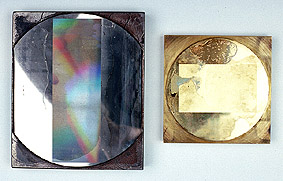
diffraction grating, reflecting, Rowland-type, by John A. Brashear, U.S.A., 1888
Origin
U.S.A.; Massachussetts; Baltimore; and U.S.A.; Pennsylvania; Allegheny
Maker
Brashear, John A. [polished and figured] Theodore C. Schneider [ruled using Rowland's engine]
Class
optical
Earliest Date
1888
Latest Date
1888
Inscription Date
1888
Material
metal (speculum metal; brass); wood
Dimensions
plate 161mm x 135mm; ruled surface 146mm x 50mm box length 197mm; breadth 179mm; height 115mm
Special Collection
Provenance
Transferred from Department of Physical Chemistry, University of Cambridge, Cambridge, England, 03/1983.
Inscription
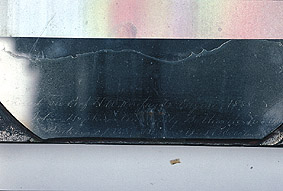
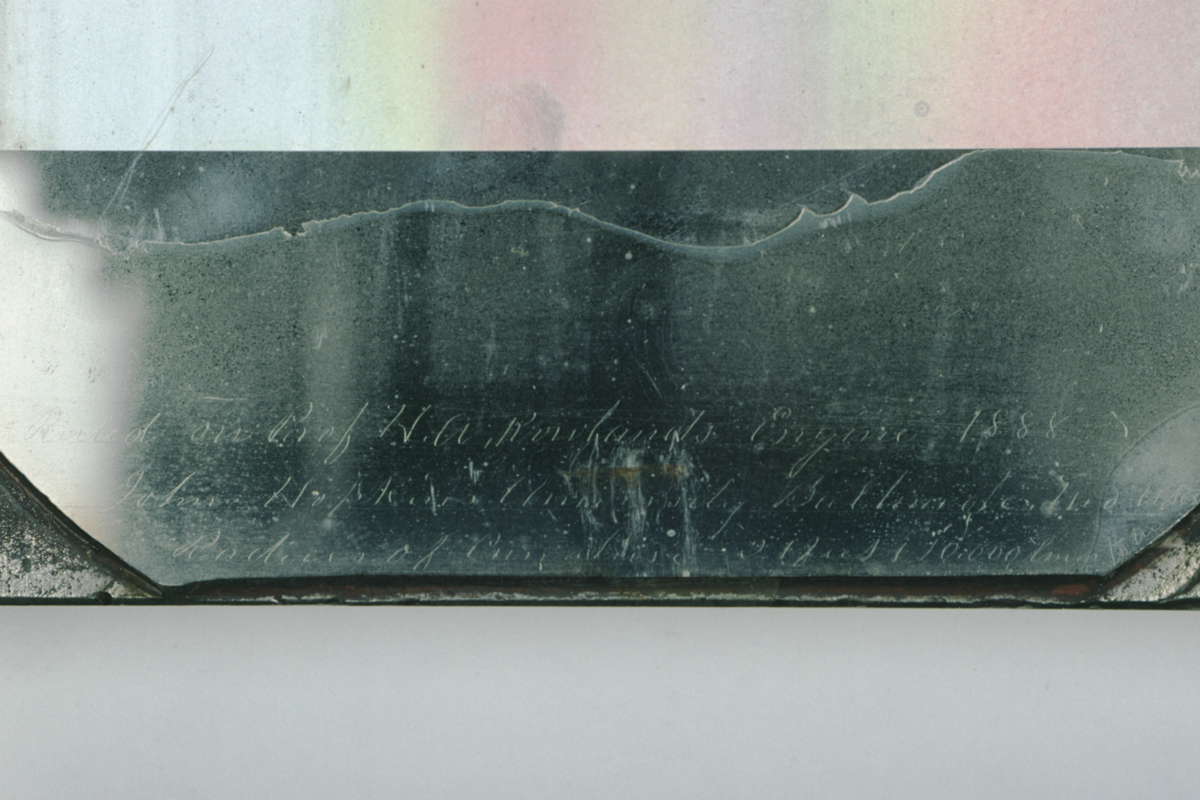
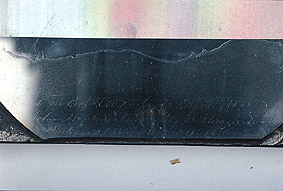
‘Ruled on Prof. H.A. Rowlands Engine 1888
John Hopkins University Baltimore Md USA
Radius of curvature 21 feet + 10,000 lines to in’ (scratched on surface)
‘Plate Polished and Corrected at the Astronomical
and Physical Instrument Works of
John A. Brashear Allegheny Pa U.S.A.’
Description Notes
Diffraction grating, reflecting, Rowland-type, by J. A. Brashear, U.S.A., 1888.
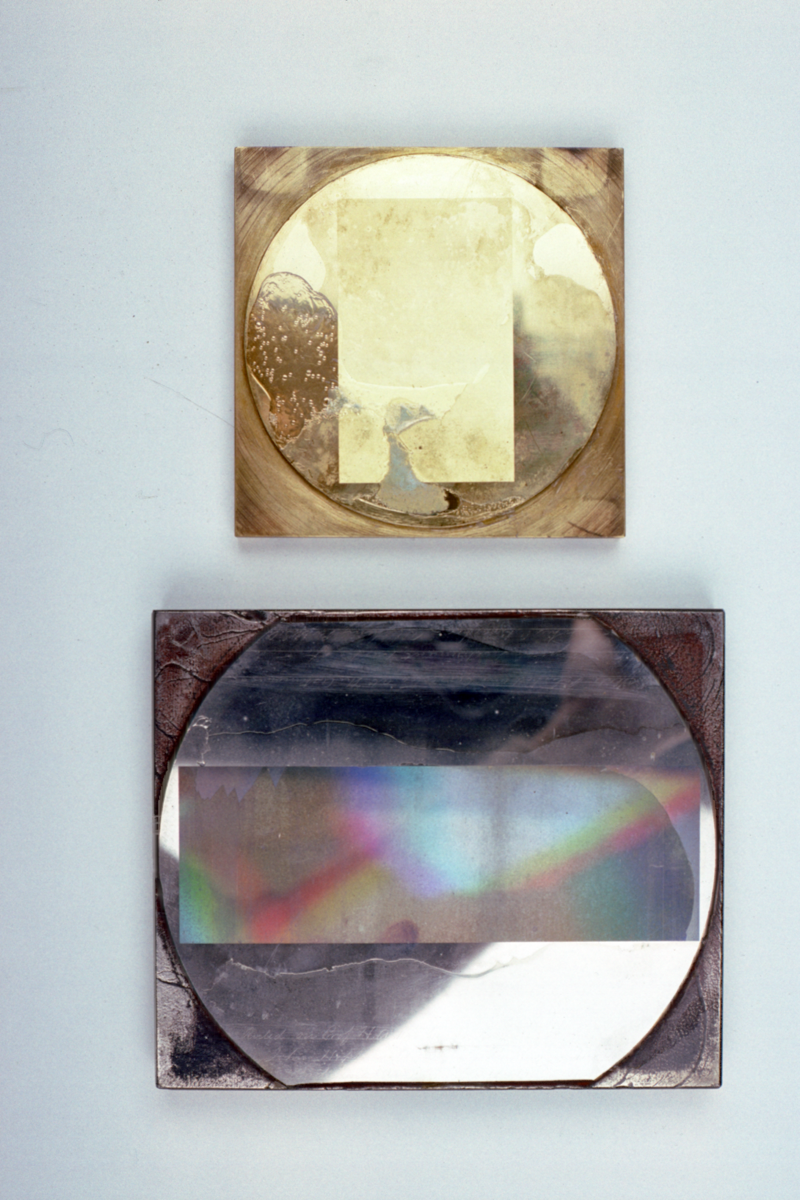
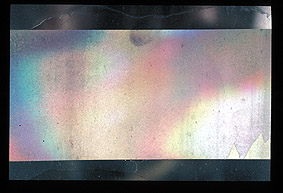
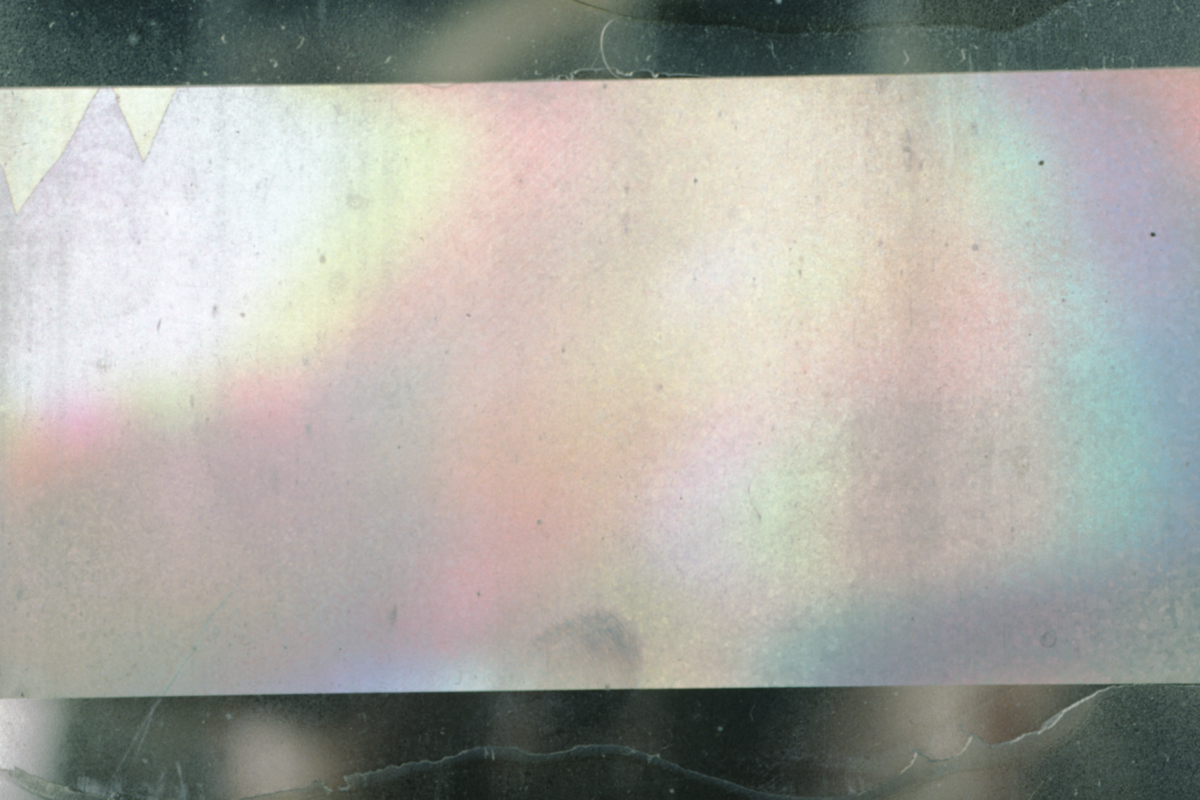
Rectangular speculum metal plate with raised polished platform, containing rectangular ruled surface. Wooden tray with two handles in fitted wooden box. Blank square brass plate.
Manuscript inscription reads:
‘Ruled on Prof. H.A. Rowlands Engine 1888
John Hopkins University Baltimore Md USA
Radius of curvature 21 feet + 10,000 lines to in’ (scratched on surface)
‘Plate Polished and Corrected at the Astronomical
and Physical Instrument Works of
John A. Brashear Allegheny Pa U.S.A.’
Condition
References
Events
Description
Diffraction grating
Grimaldi (an Italian physicist) saw that the edges of shadows are not completely sharp, but have fringes. Only later, in 1785, when multiple edges were placed next to one another to form a grating, was the full importance of this observation elucidated.
A diffraction grating consists of very closely spaced lines on a reflecting surface (the line ruling process must be very precise). The lines disperse light into component wavelengths (much like a prism does) and this is useful for precise determination of the magnitude of wavelengths.
18/10/2002
Created by: Saffron Clackson on 18/10/2002
FM:43460
Images (Click to view full size):