Accession No
0653
Brief Description
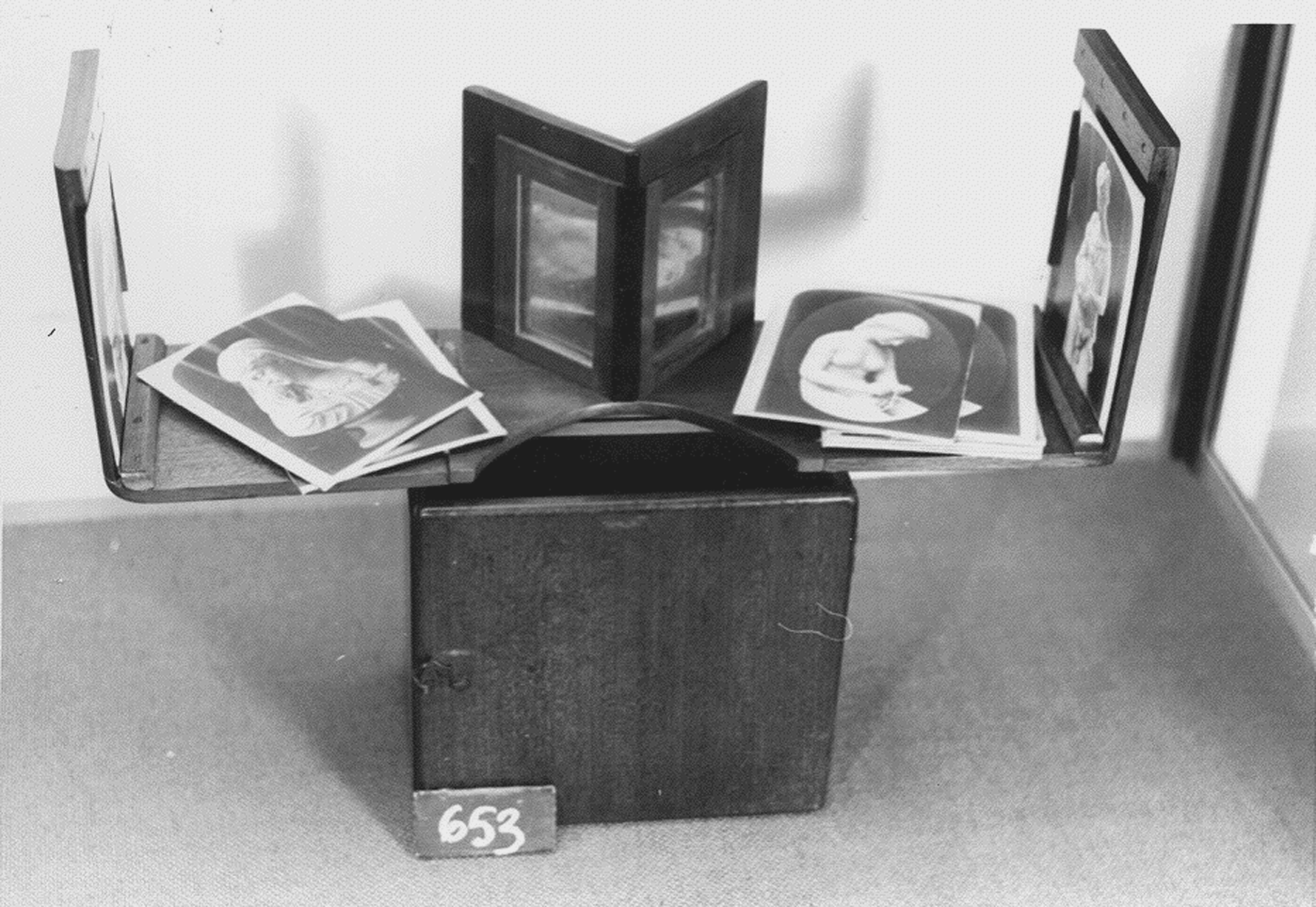
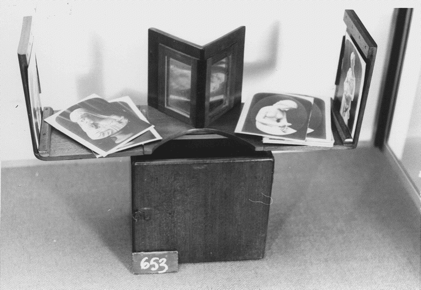
Wheatstone’s reflecting stereoscope, by Watkins and Hill, English c.1840
Origin
England; London; 5 Charing Cross
Maker
Watkins and Hill
Class
optical
Earliest Date
1840
Latest Date
1840
Inscription Date
Material
wood (mahogany); glass; paper
Dimensions
viewer height 172mm; breadth 182mm; depth 125mm each slide length 114mm; breadth 89mm
Special Collection
Robert Whipple collection
Provenance
Purchased from T.H. Court on 05/11/1930.
Inscription
‘WATKINS and HILL
5 CHARING CROSS
LONDON’ (box)
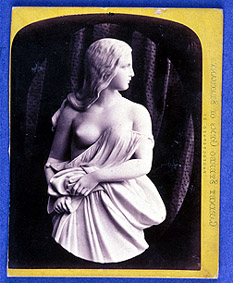
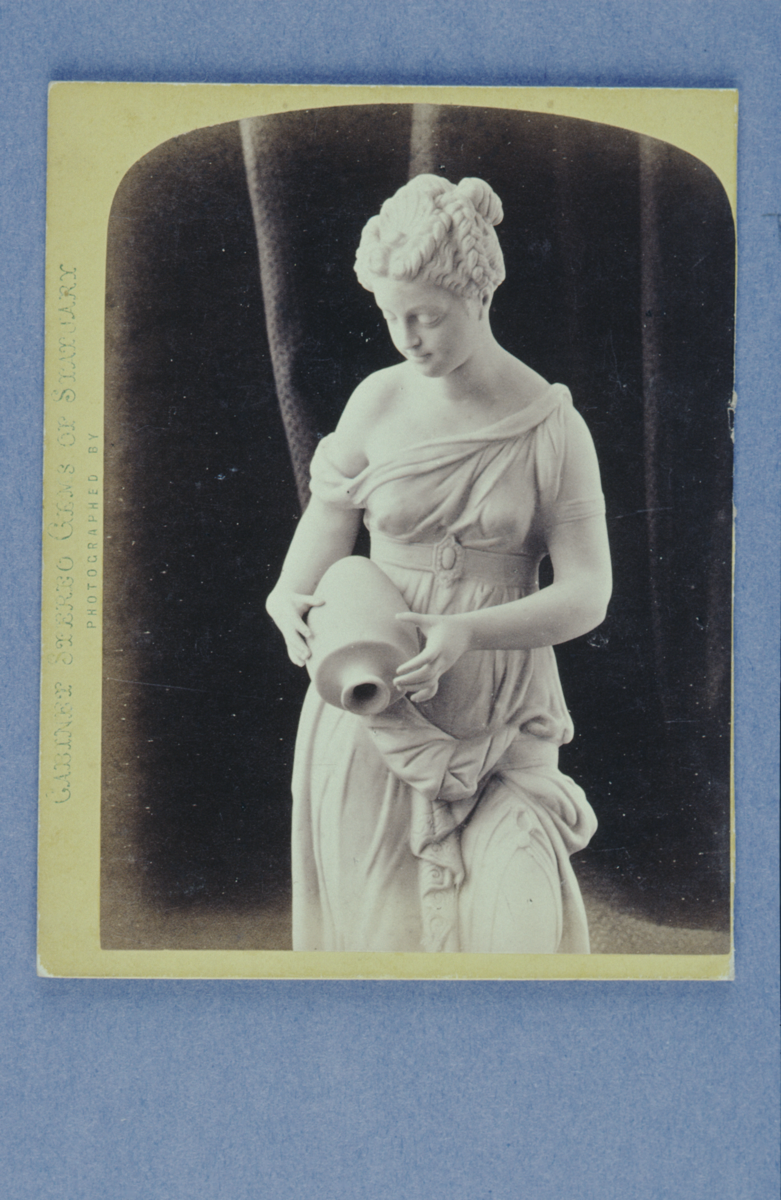
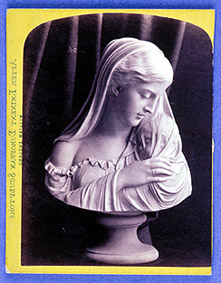
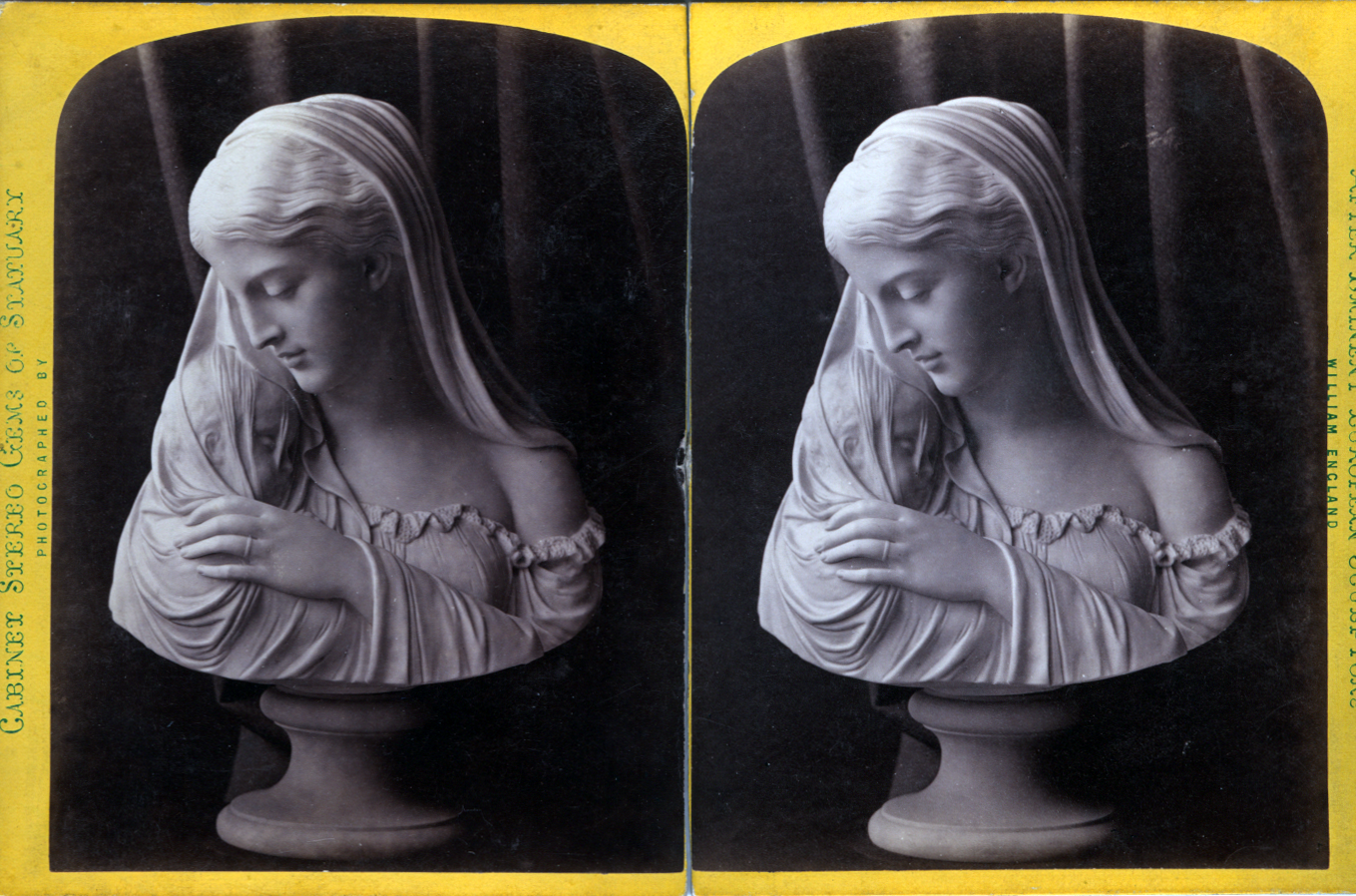
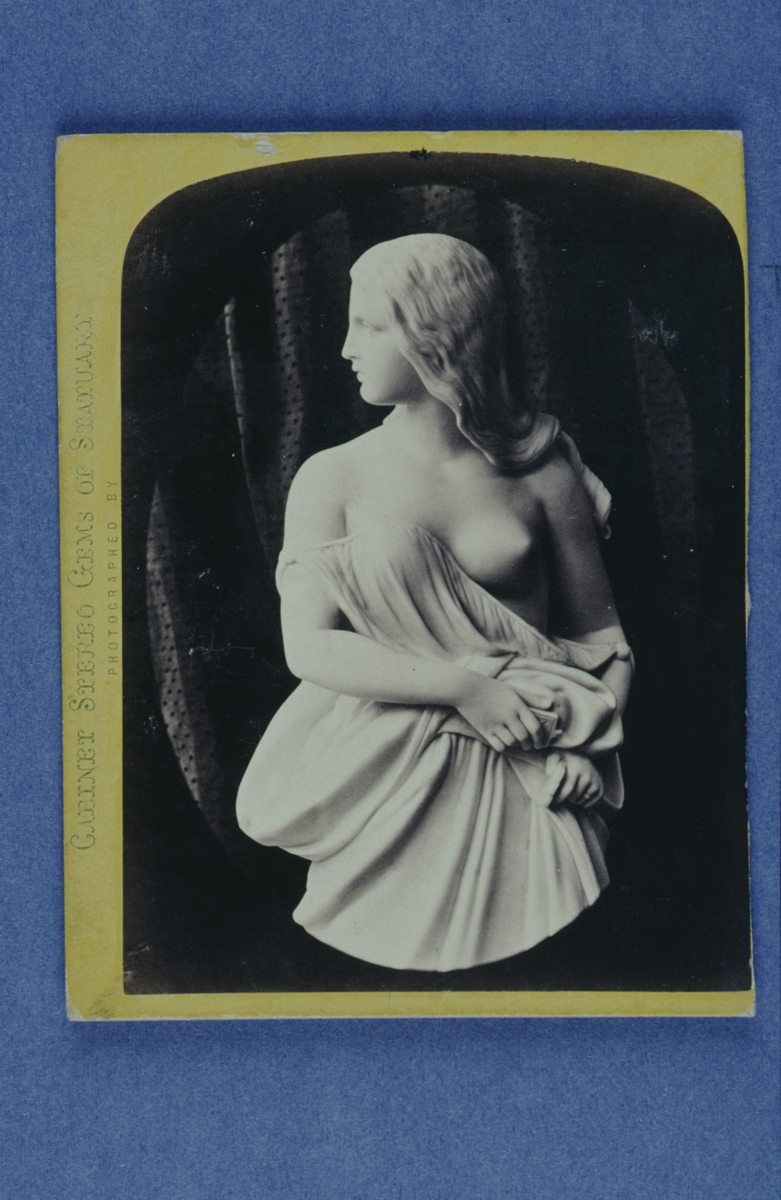
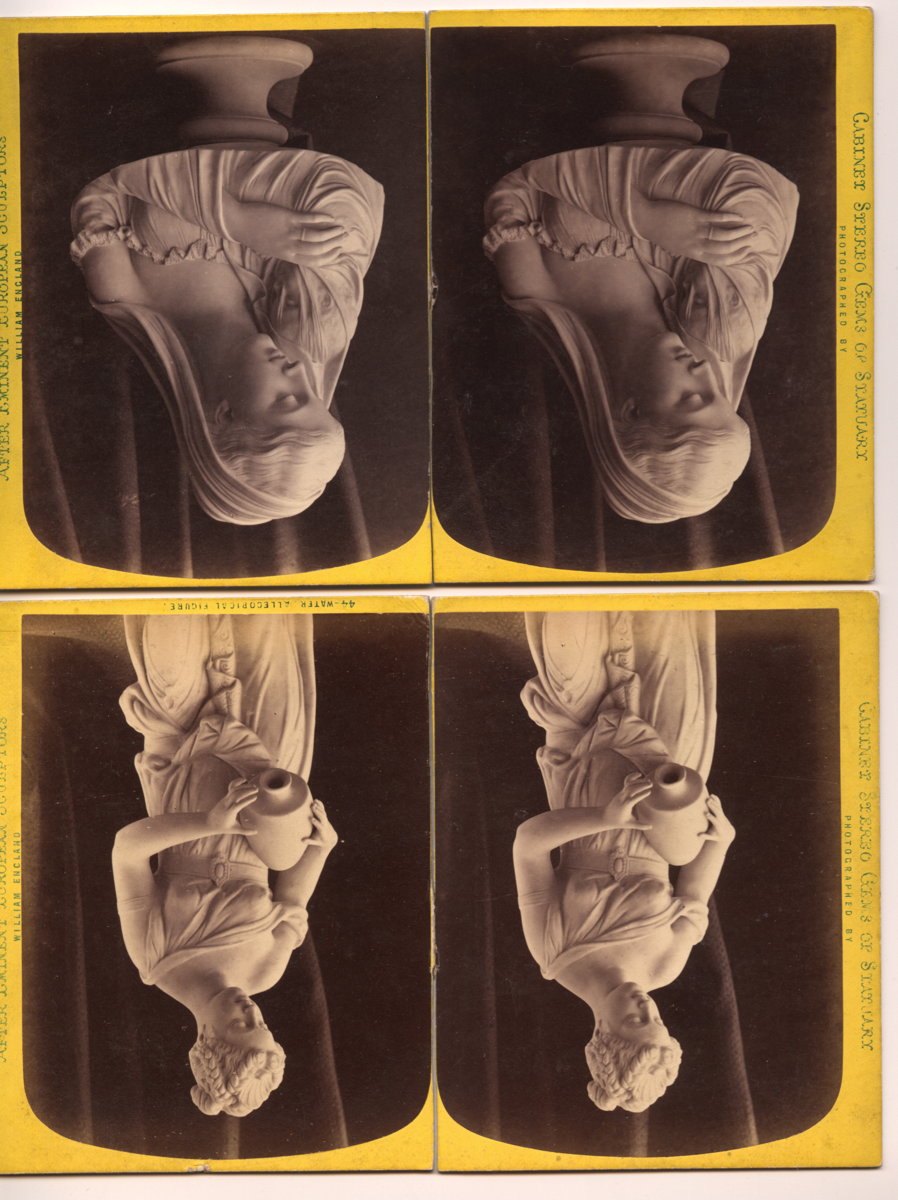
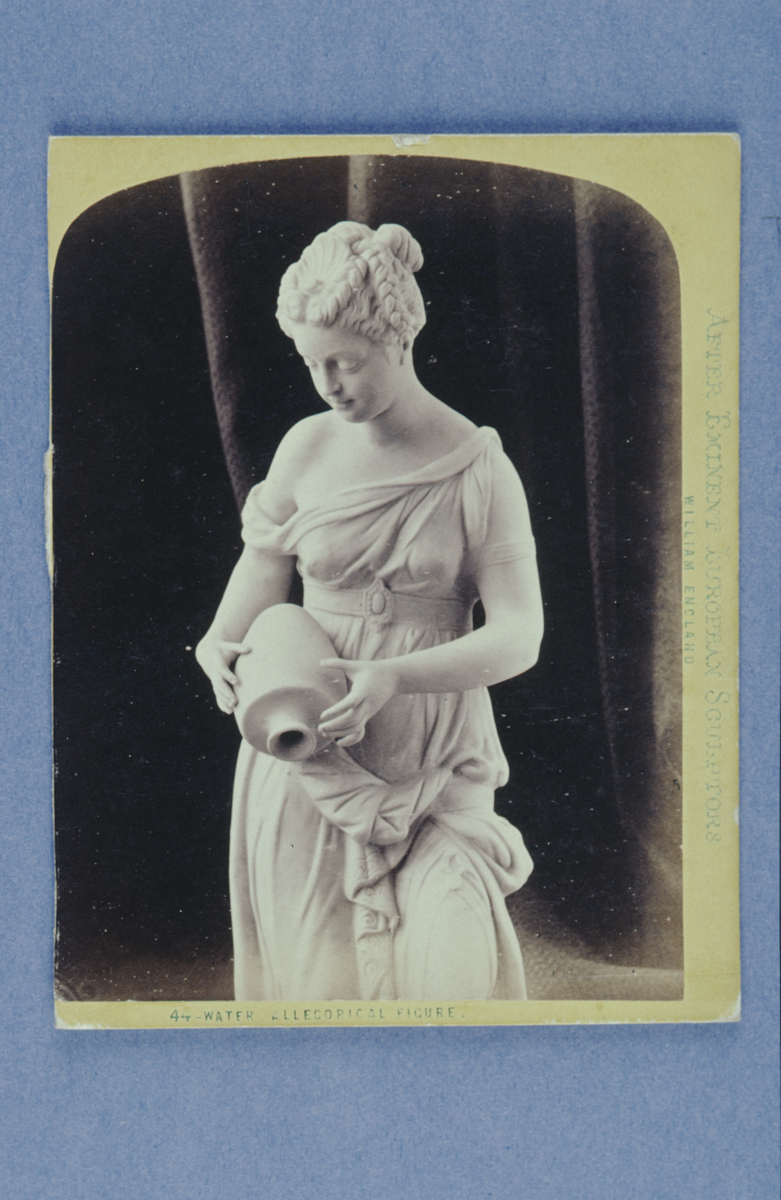
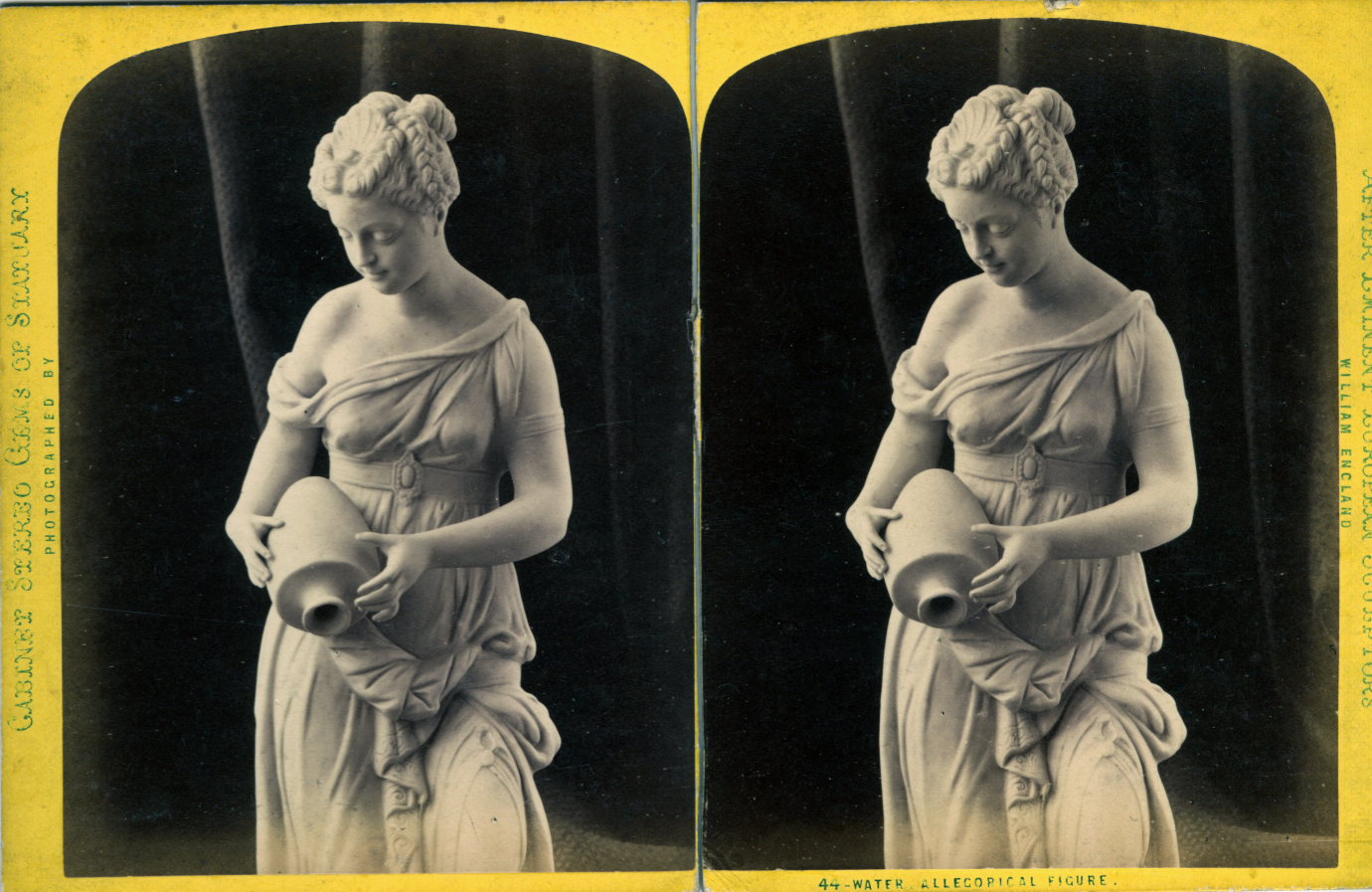
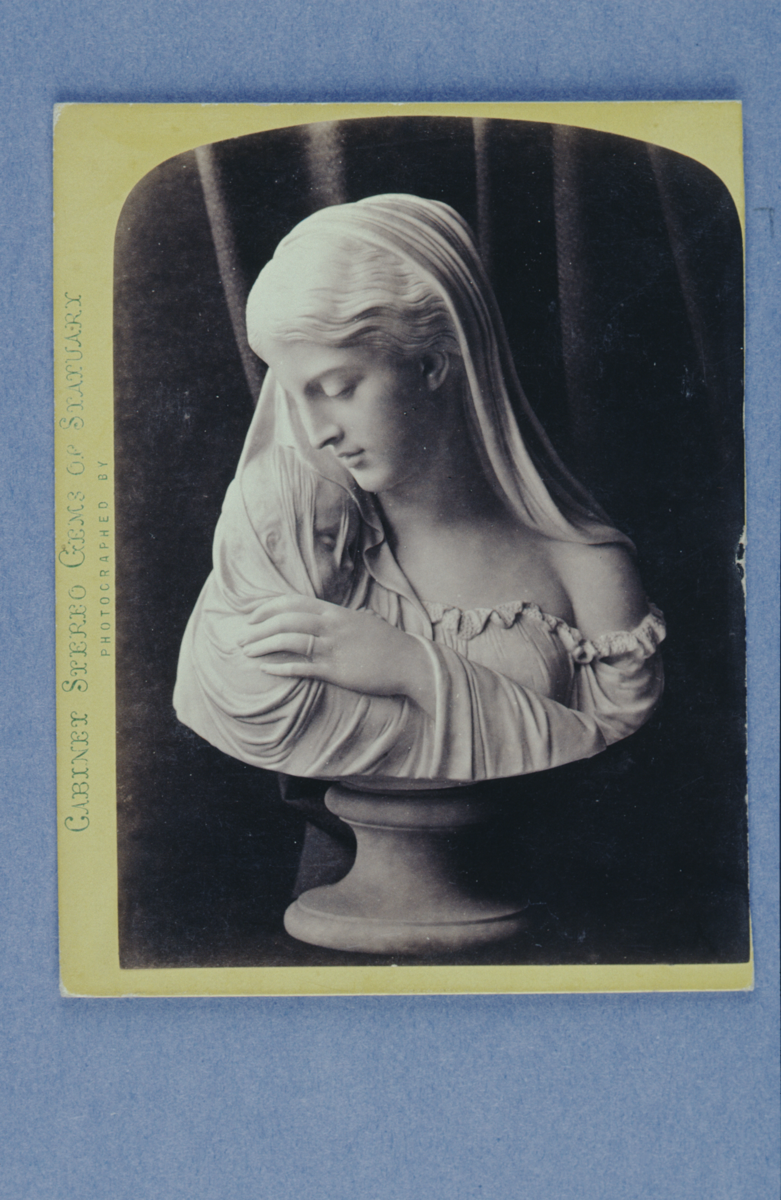
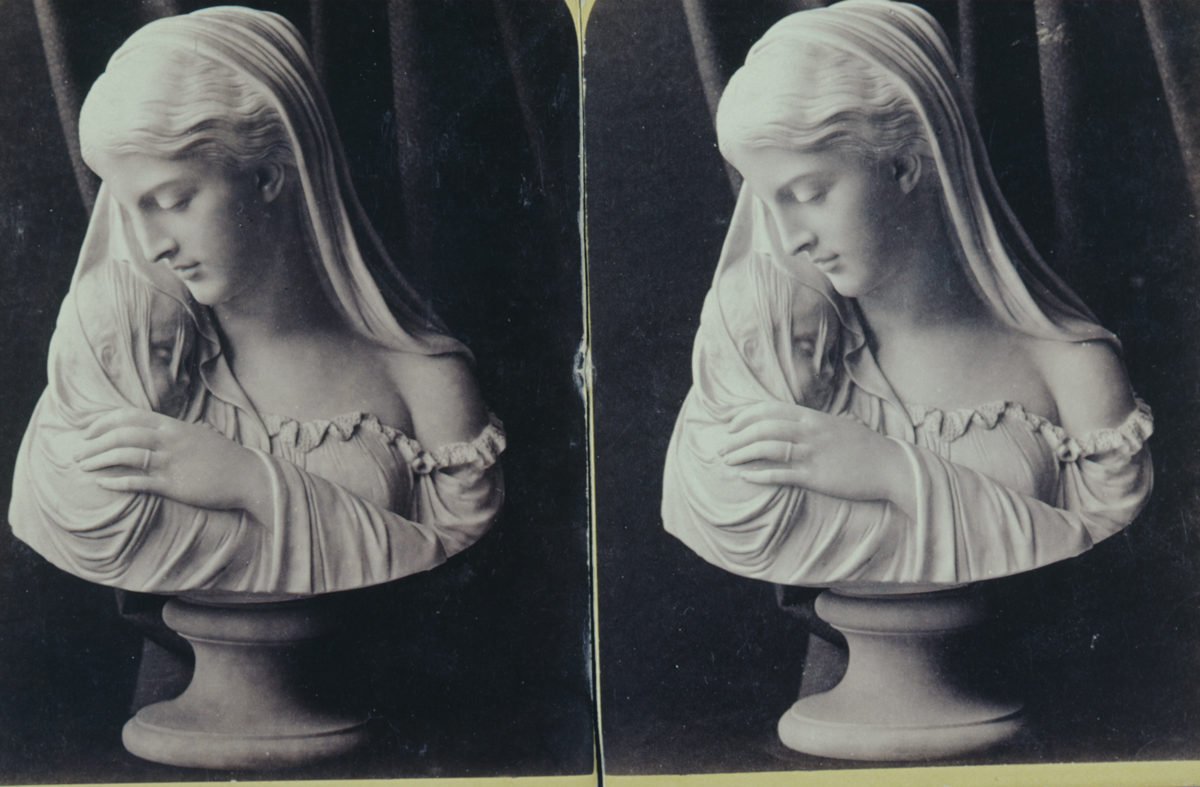
‘CABINET STEREO GEMS OF STATUARY PHOTOGRAPHED BY
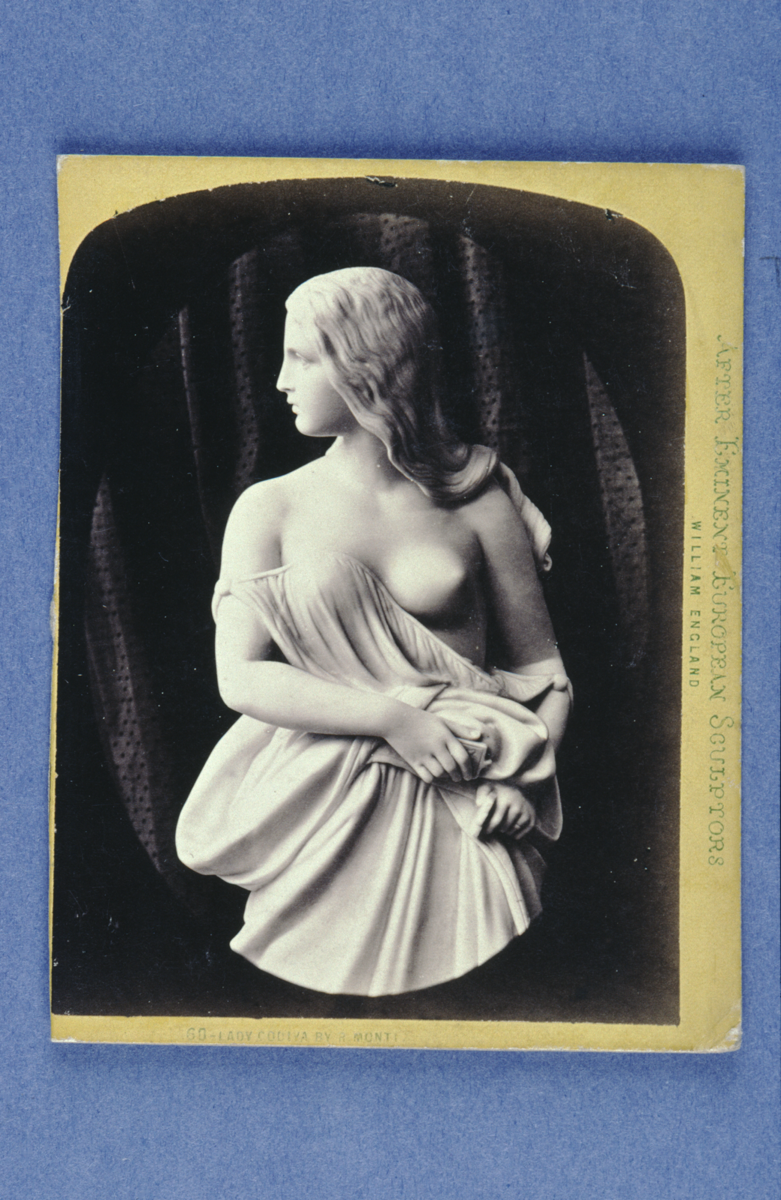
WILLIAM ENGLAND AFTER EMINENT EUROPEAN SCULPTORS.’ (photographs)
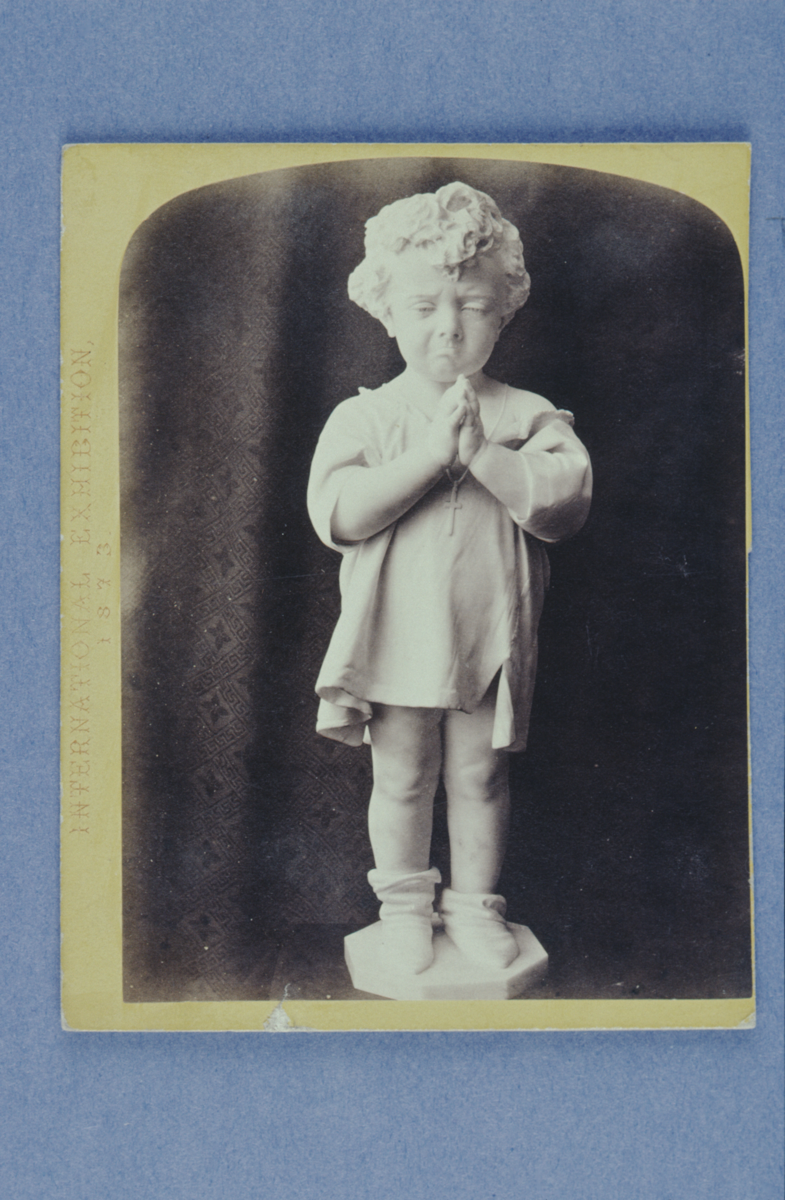
‘INTERNATIONAL EXHIBITION 1873’ (one of the photos)
Description Notes
Wheatstone’s reflecting stereoscope, by Watkins and Hill, English c.1840.
Mahogany (?) box with inlaid carrying handle. Hinging door to stereoscope. Half of the box lid hinges back and stereoscope folds out. Two central mirrors set at 90˚, facing two end panels holding images. Five pairs of images, each marked with title.
References
Events
Description
R.S. Whipple’s tastes as a collector were diverse. As well as purchasing fine antiques and canonical books, Whipple also acquired many less conventional things from the history of science.
Stereoscopes combine left- and right-eye images to give the effect of three-dimensionality. This design, using a pair of mirrors, is the earliest type of stereoscope, having been invented by Charles Wheatstone in 1838.
07/10/2025
Created by: Hannah Price on 07/10/2025
Description
A stereoscope produces the illusion of a single three-dimensional image from two slightly different flat images. It works only when the flat images are of identical subjects drawn or photographed from viewpoints approximately equal in separation to the distance between the human eyes. The stereoscope is constructed so that each eye sees only the appropriate image, that is the left eye sees the left viewpoint and the right eye the right viewpoint.
Binocular vision is the means by which slightly different images seen by the two eyes separately are fused in the brain into one solid image and has interested scientists for centuries.
Stereo-viewers could consist of boxes or even large cabinets, often made of walnut, fitted with pairs of viewing lenses and transparent glass slides. By 1900, stereo cards were being mass-produced, on which pairs of photographs were pasted. These were viewed through simple, hand-held stereo-viewers, consisting of a pair of hooded lenses, and a clip to hold the photographic card. The cards depicted views from all over the world.
In the second half of the Nineteenth Century a mass market for stereoscopic photographs was soon established, and the stereoscope, often in ornate forms, became a common feature in Nineteenth Century homes.
01/02/2001
Created by: Toni Parker on 01/02/2001
FM:44142
Images (Click to view full size):