Accession No
2637
Brief Description
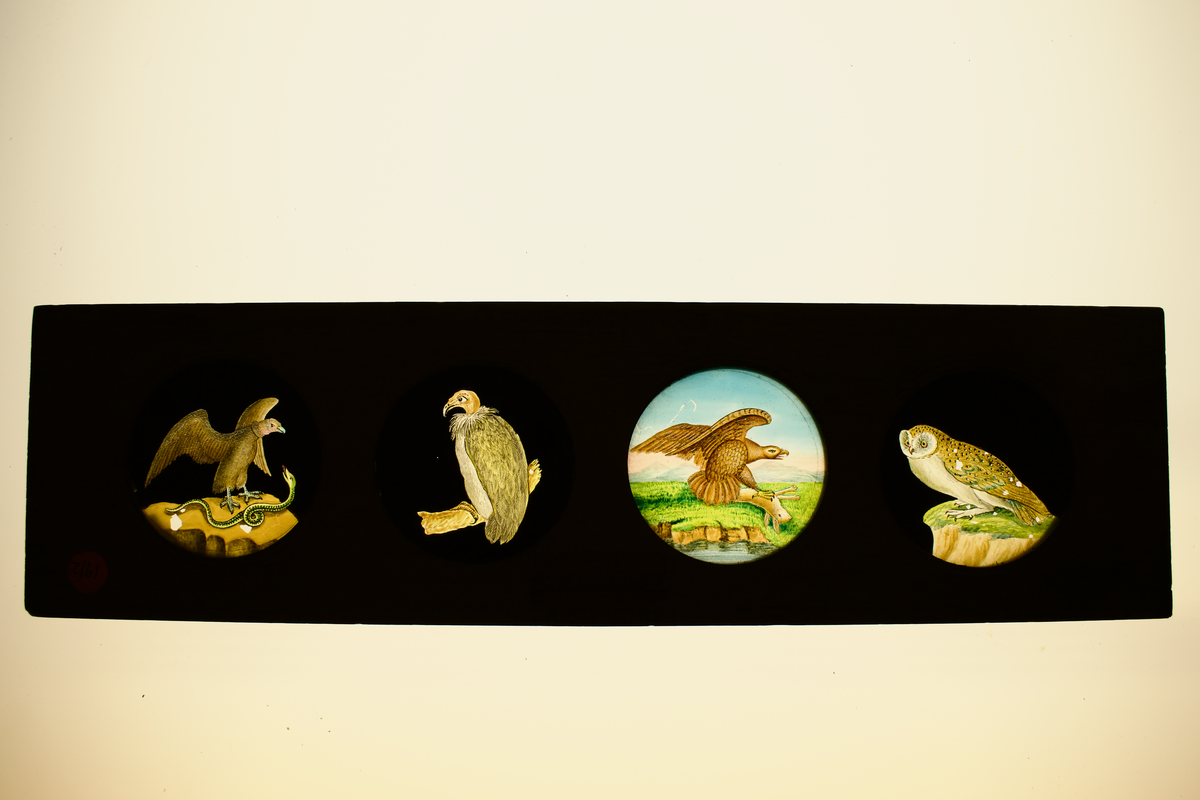
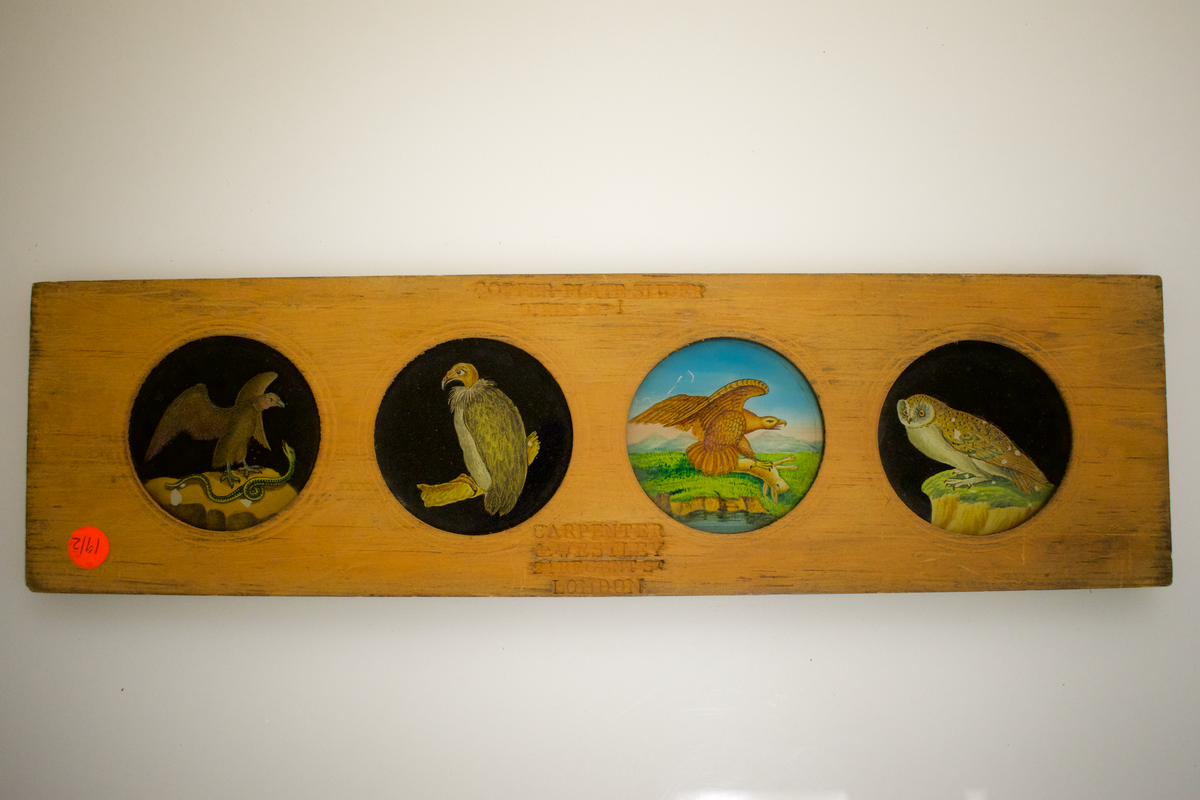
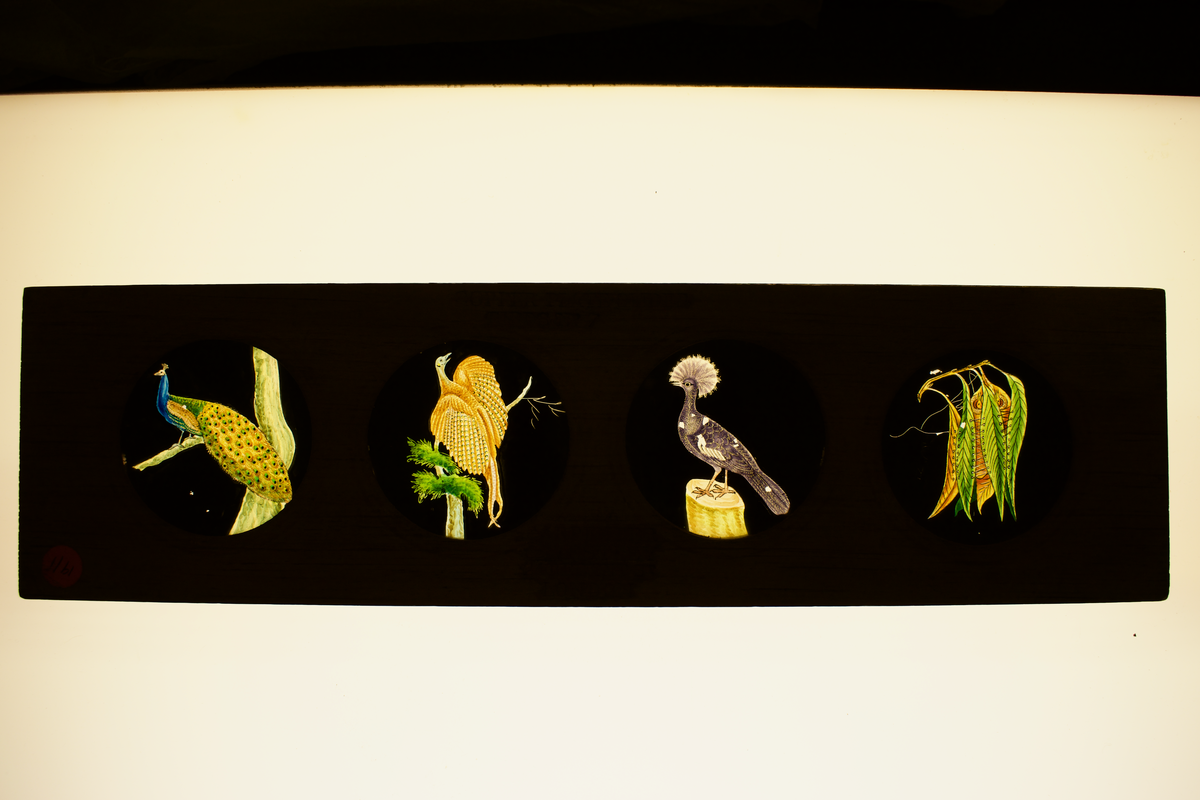
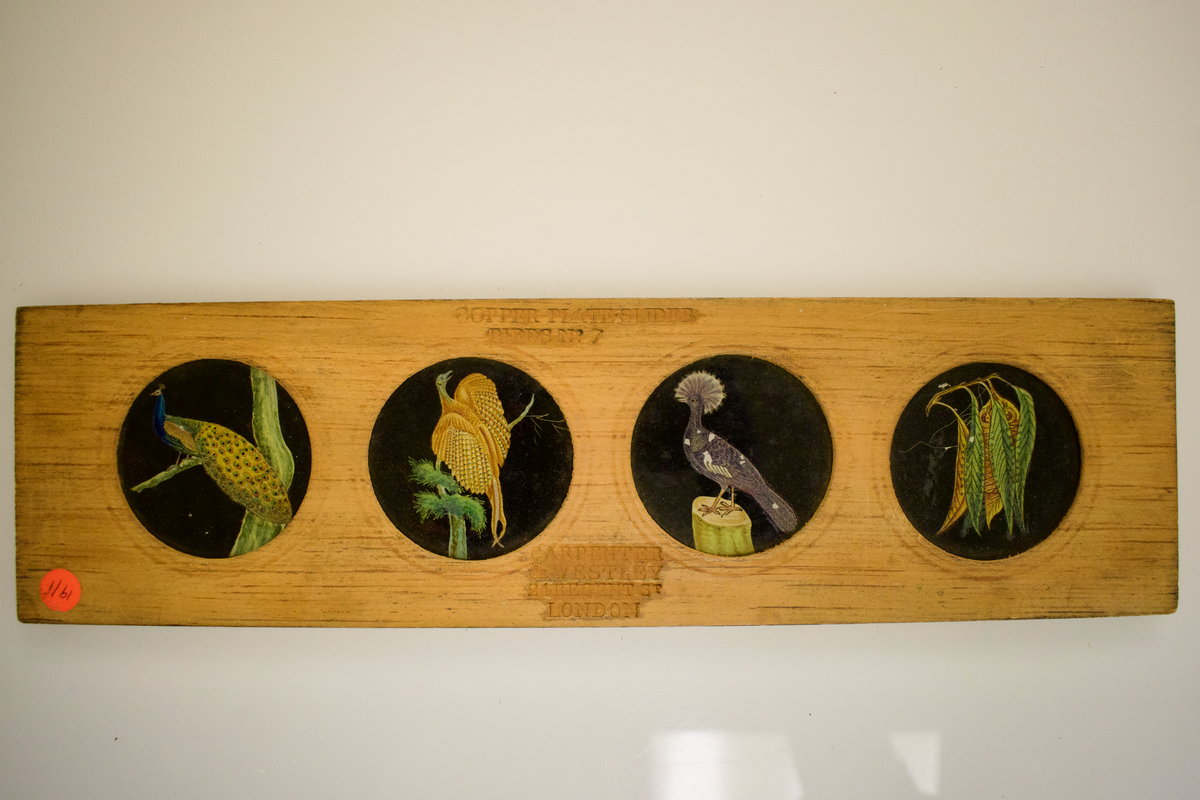
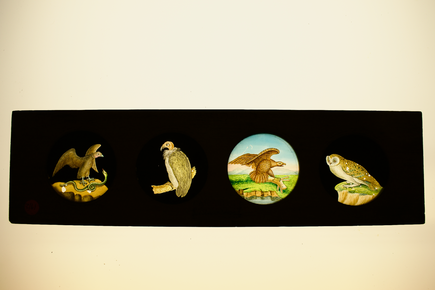
six magic lantern slides of animals (zoology), by Carpenter and Westley, English, mid-19th Century to early 20th Century
Origin
England; London; 24 Regent Street
Maker
Carpenter and Westley
Class
optical
Earliest Date
1838
Latest Date
1914
Inscription Date
Material
wood; glass
Dimensions
each slide length 354mm; breadth 96mm; thickness 8mm
Special Collection
Provenance
Inscription
‘CARPENTER &WESTLEY
24 REGENT STREET
LONDON’ (each slide)
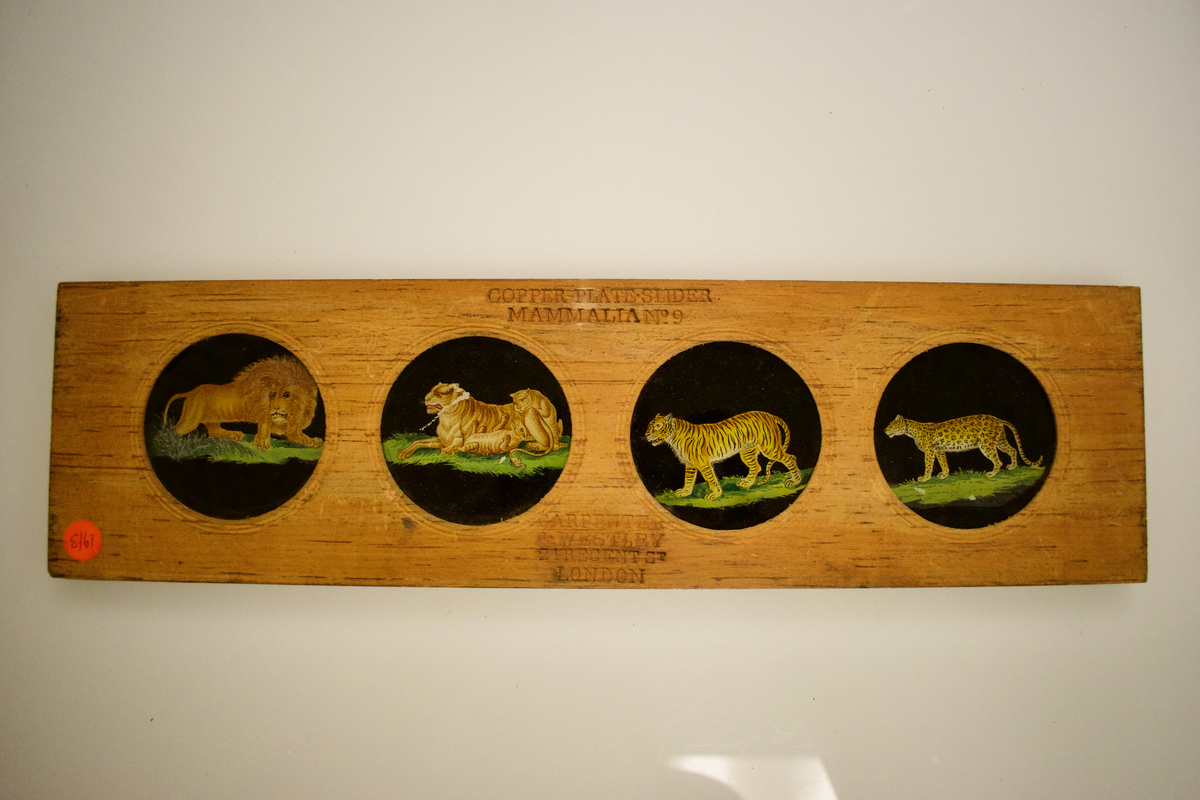
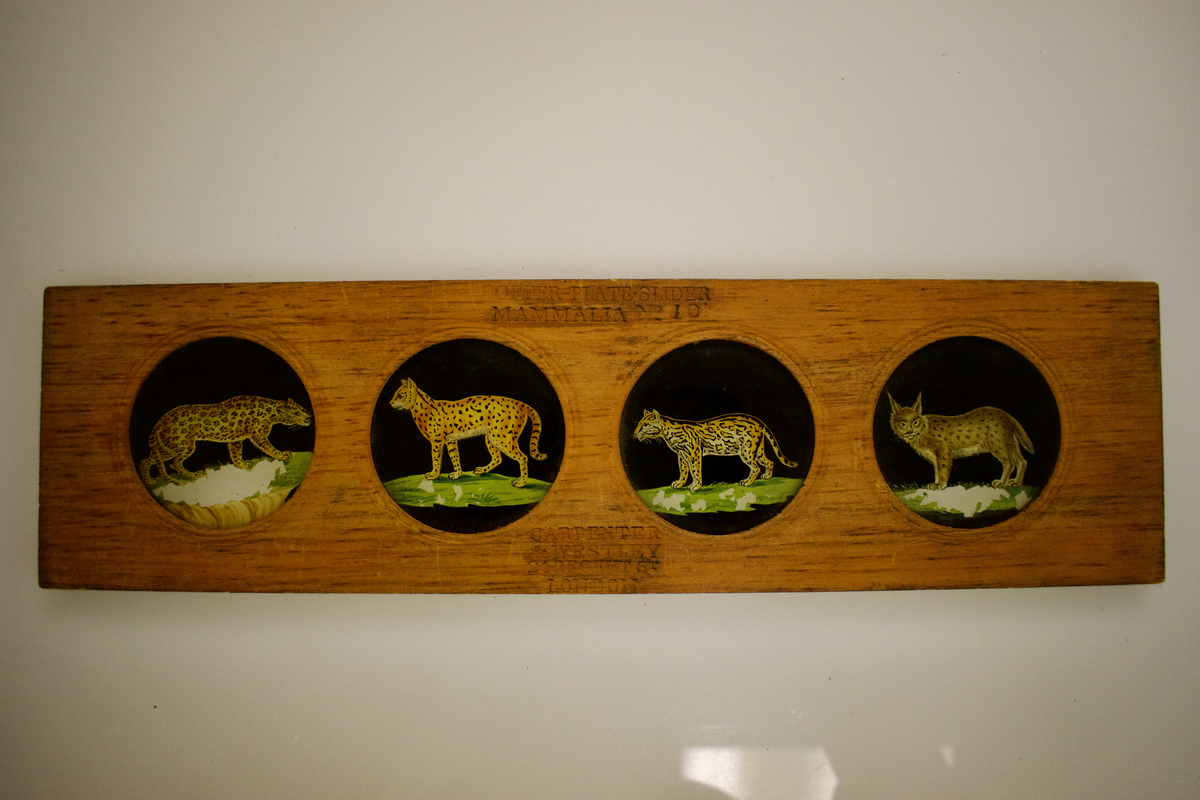
‘COPPER PLATE SLIDER
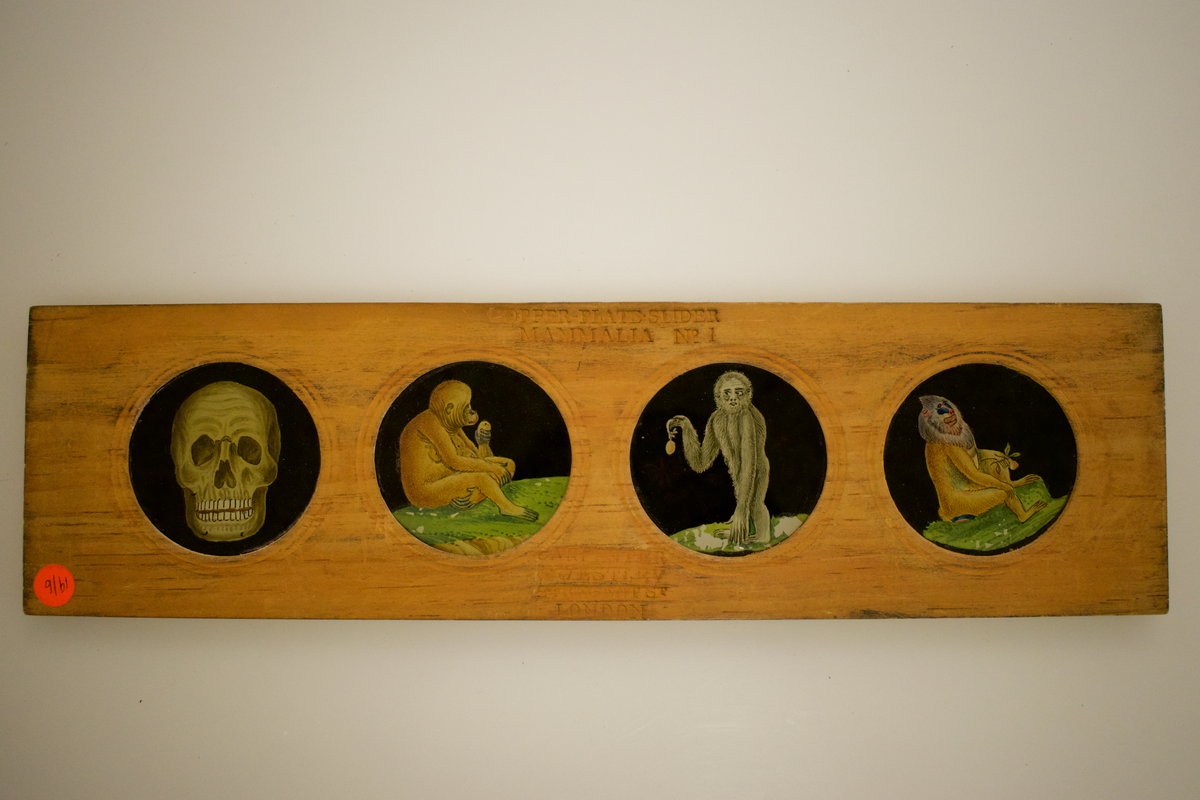
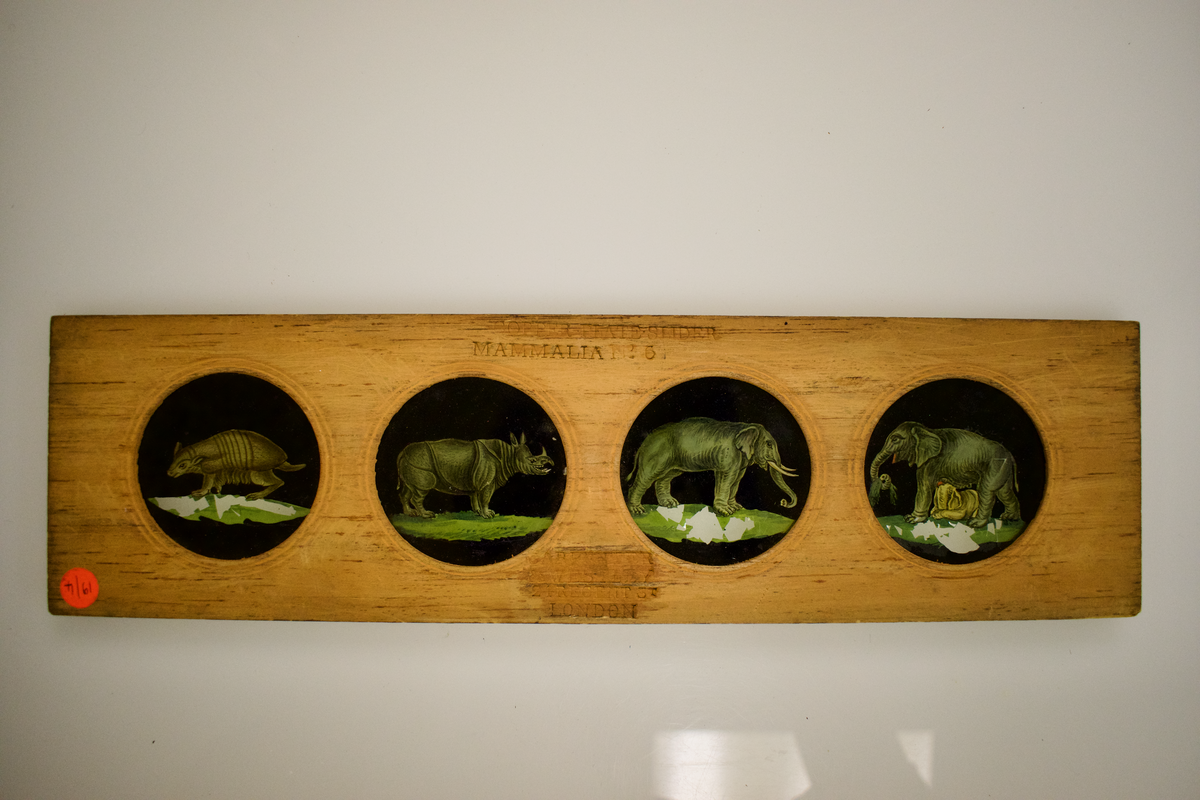
MAMMALIA’ (four slides)
‘COPPER PLATE SLIDER
BIRDS’ (two slides)
Description Notes
six magic lantern slides of animals (zoology), by Carpenter and Westley, English, mid-19th Century to early 20th Century
Rectangular wooden frame with 4 circular apertures each illustrating separate mammal or bird. Hand-painted.
.1 copper plate slider birds no.1 (birds of prey)
.2 copper plate slider birds no.7 (ornamental birds)
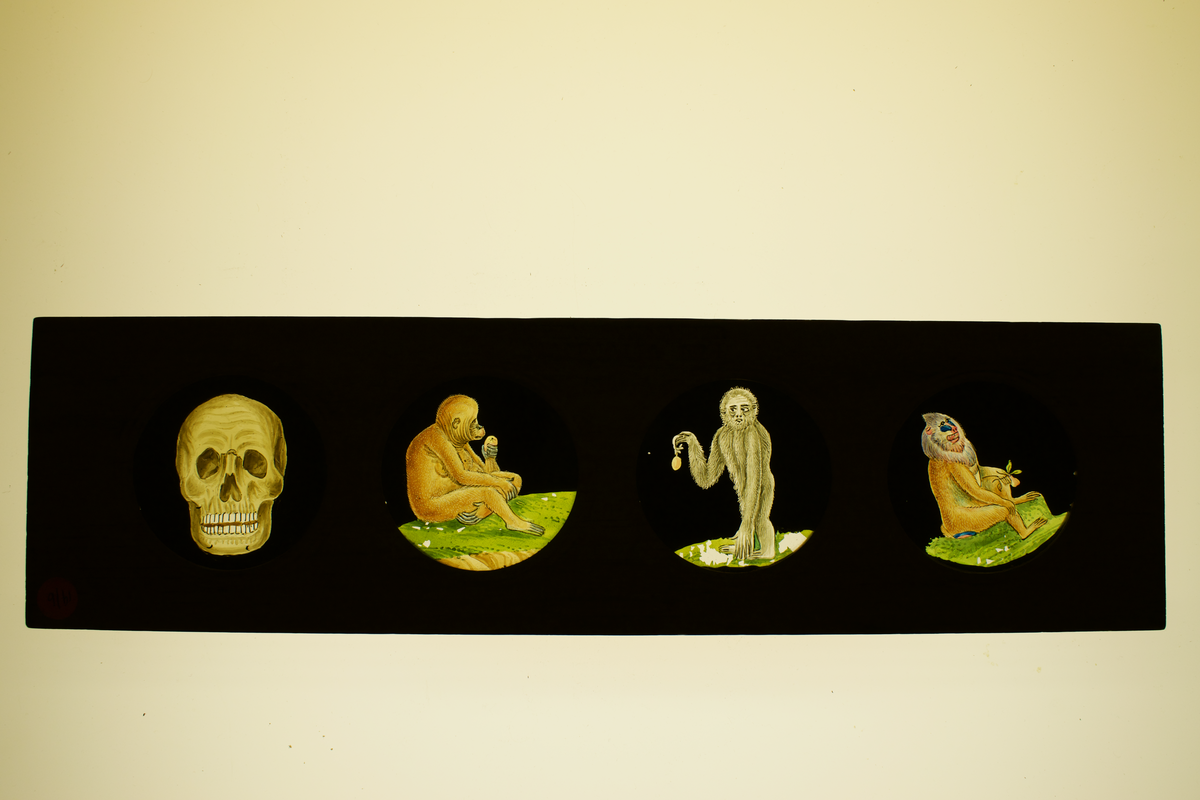
.3 copper plate slider mammalia no.1 (monkeys)
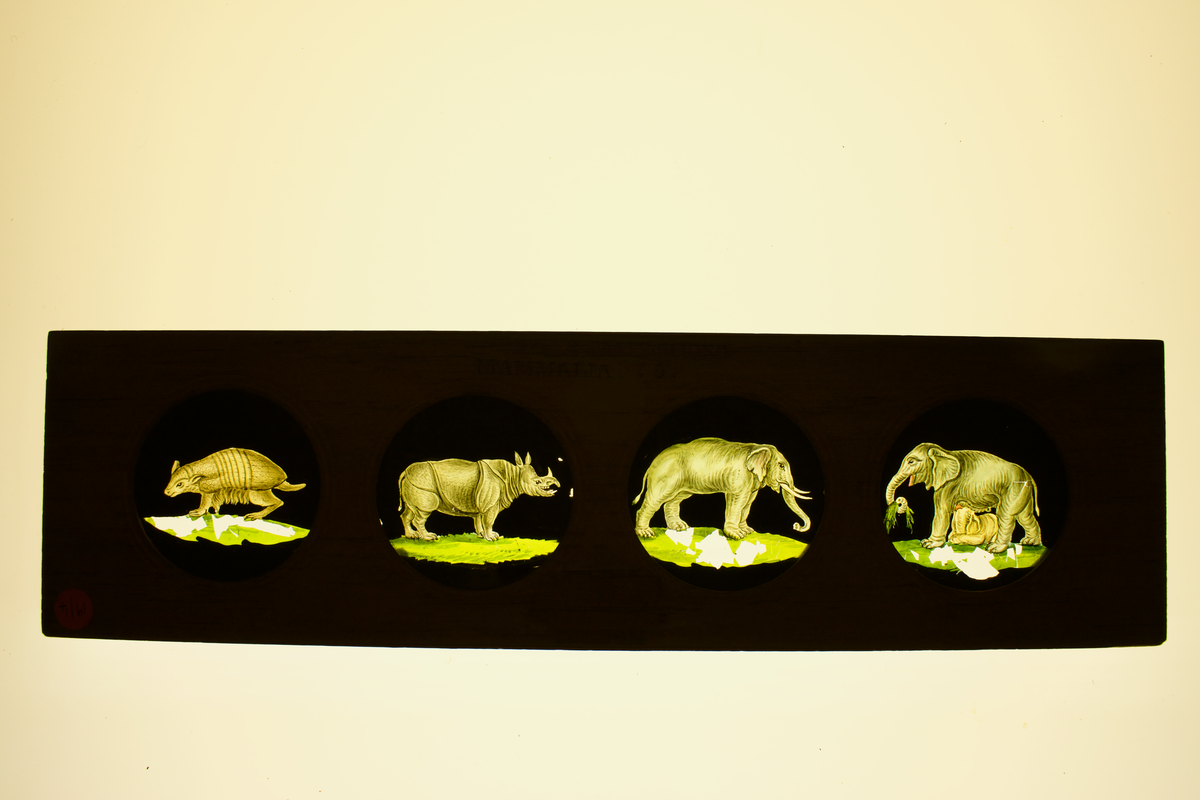
.4 copper plate slider mammalia no.6 (elephants, rhino, armadillo)
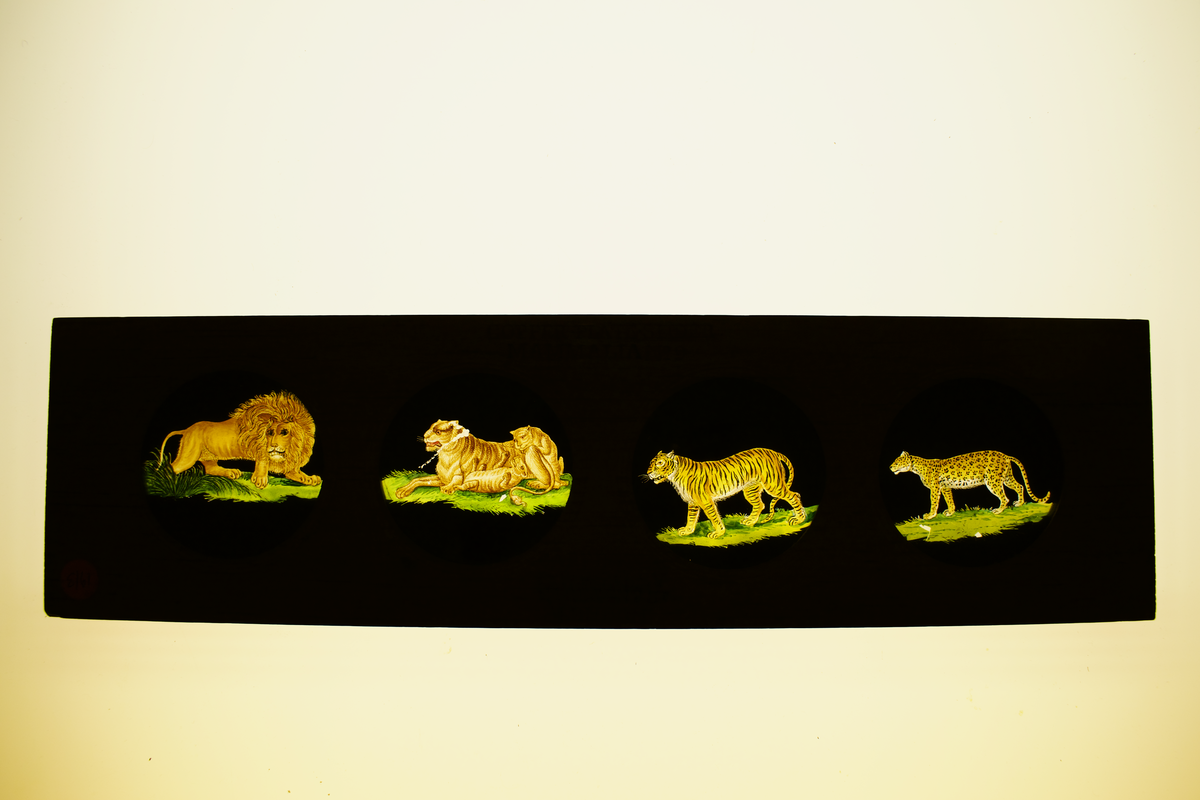
.5 copper plate slider mammalia no.9 (lions, a tiger, a leopard)
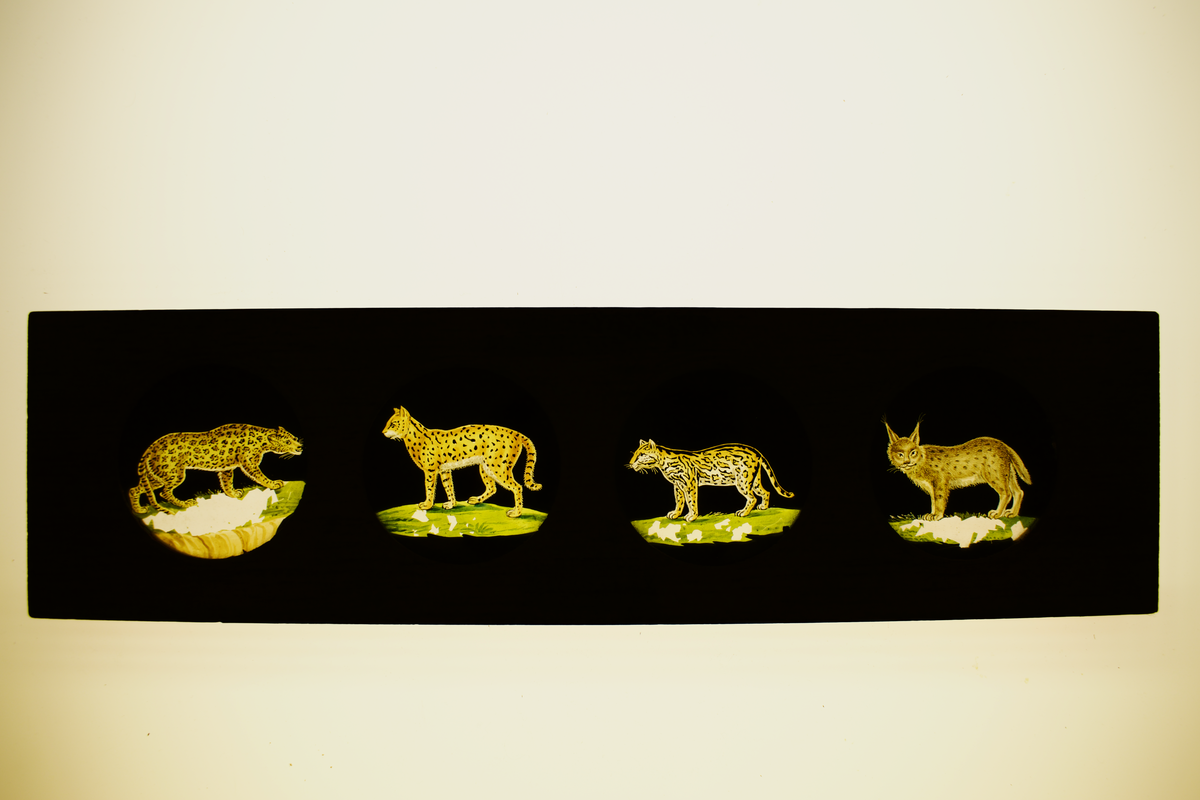
.6 copper plate slider mammalia no.10 (big cats, including leopard, ocelot and lynx)
References
Events
Description
Magic lanterns are an early type of image projector. They use a powerful light source to project images onto a screen or wall. They were the precursors to modern slide, overhead and motion picture projectors. Although first developed in the 17th century, it was in the late 18th and 19th centuries that the design of the instrument became developed enough to make magic lantern shows a popular form of general entertainment and scientific and artistic education.
The basic elements of a magic lantern are a metal or wooden body, a light source, a condensing lens, a focusing lens, and interchangeable slides that were commonly produced in sets. Early lantern slides were hand painted on glass, but by the late nineteenth century a number of companies were mass producing slide sets utilising photographic transparencies. Hand cranked mechanisms were sometimes also built into the slides to produce elaborate animated effects. Slide sets might show recent events, exotic locations from around the world, or illustrate tales and fables. For scientific lecturers, the magic lantern was an invaluable instrument for illustrating their public talks, enabling the projection of spectacular astronomical images or massive diagrams of plants and animals.
03/04/2014
Created by: Joshua Nall on 03/04/2014
FM:44235
Images (Click to view full size):