Accession No
5352
Brief Description
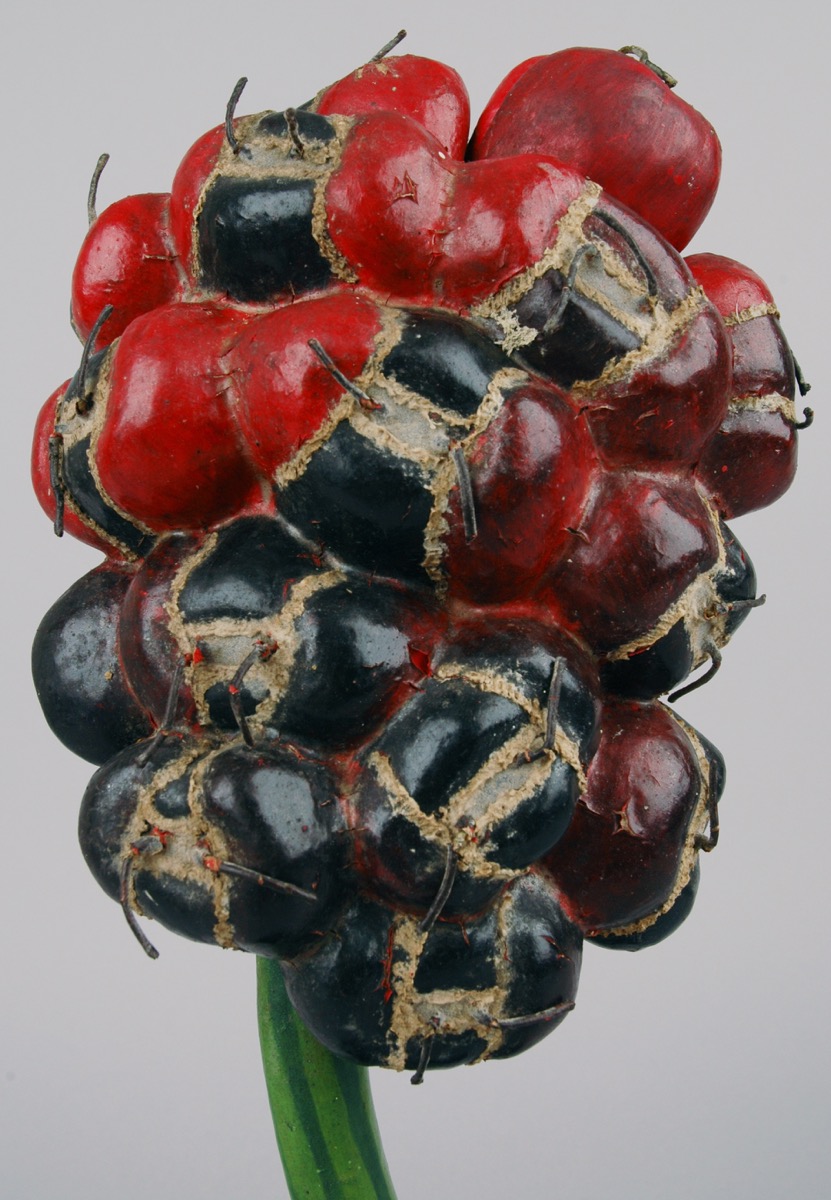
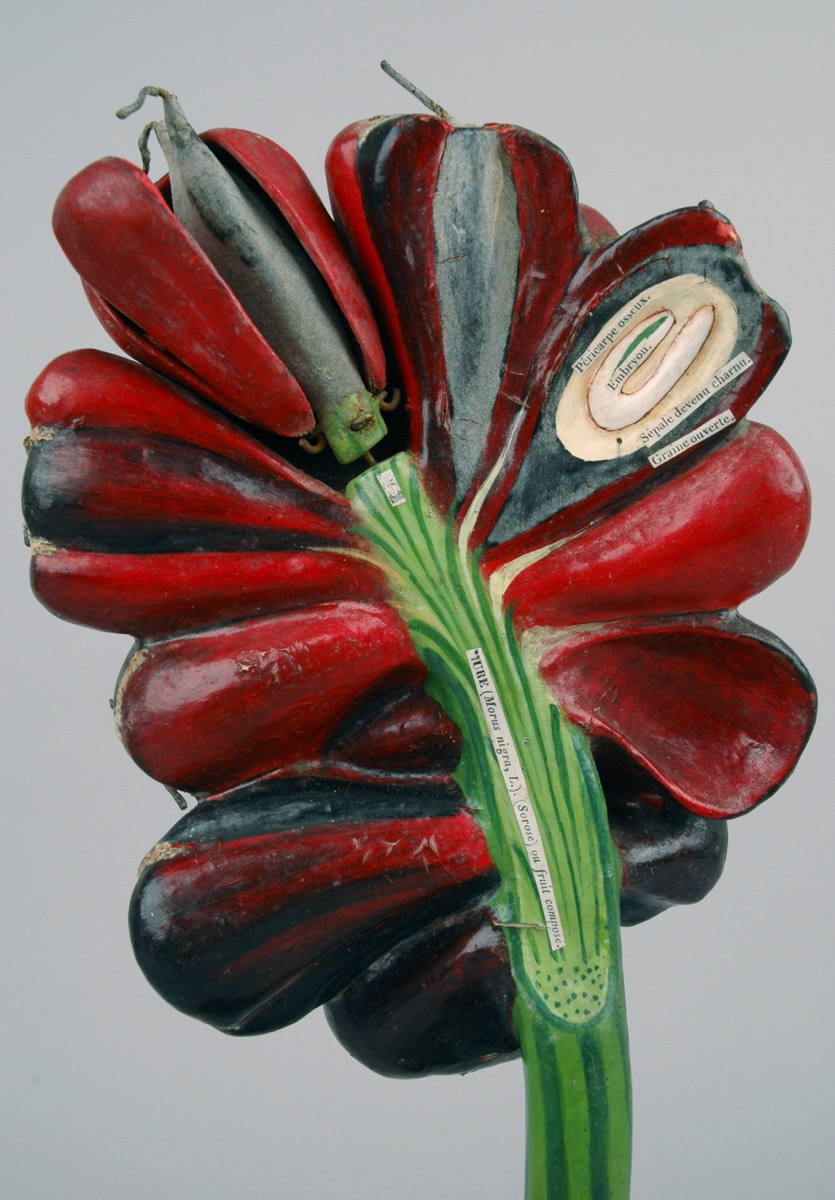
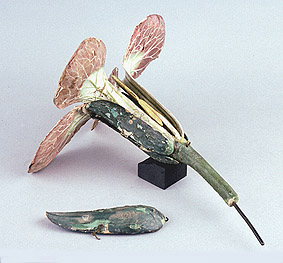
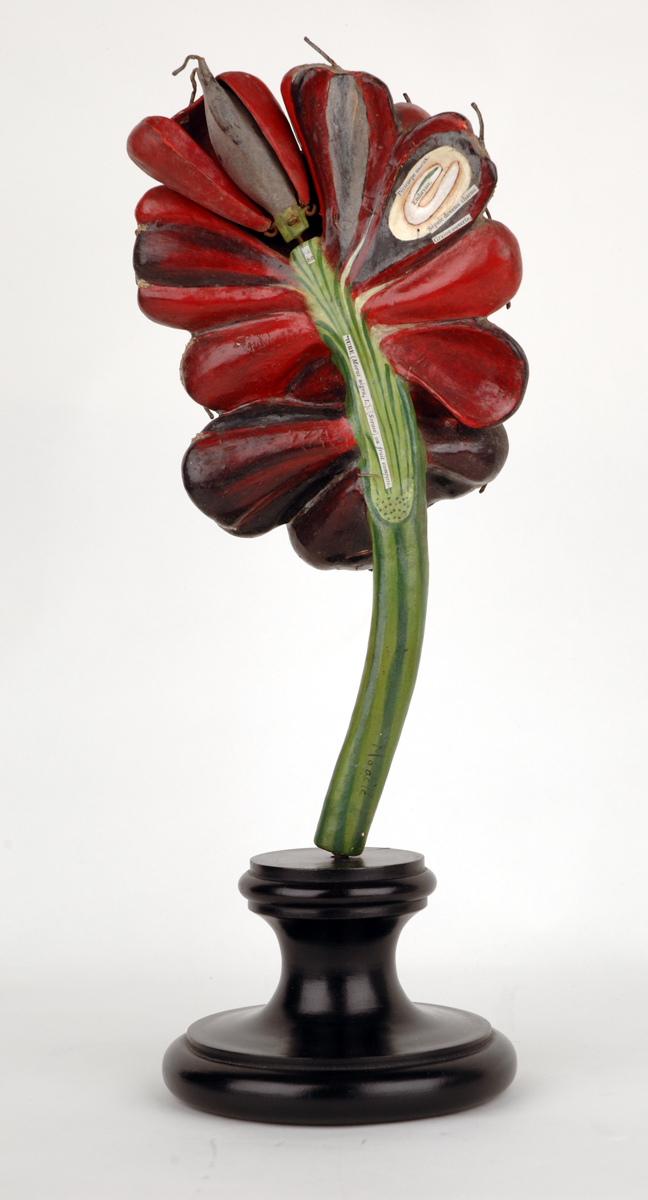
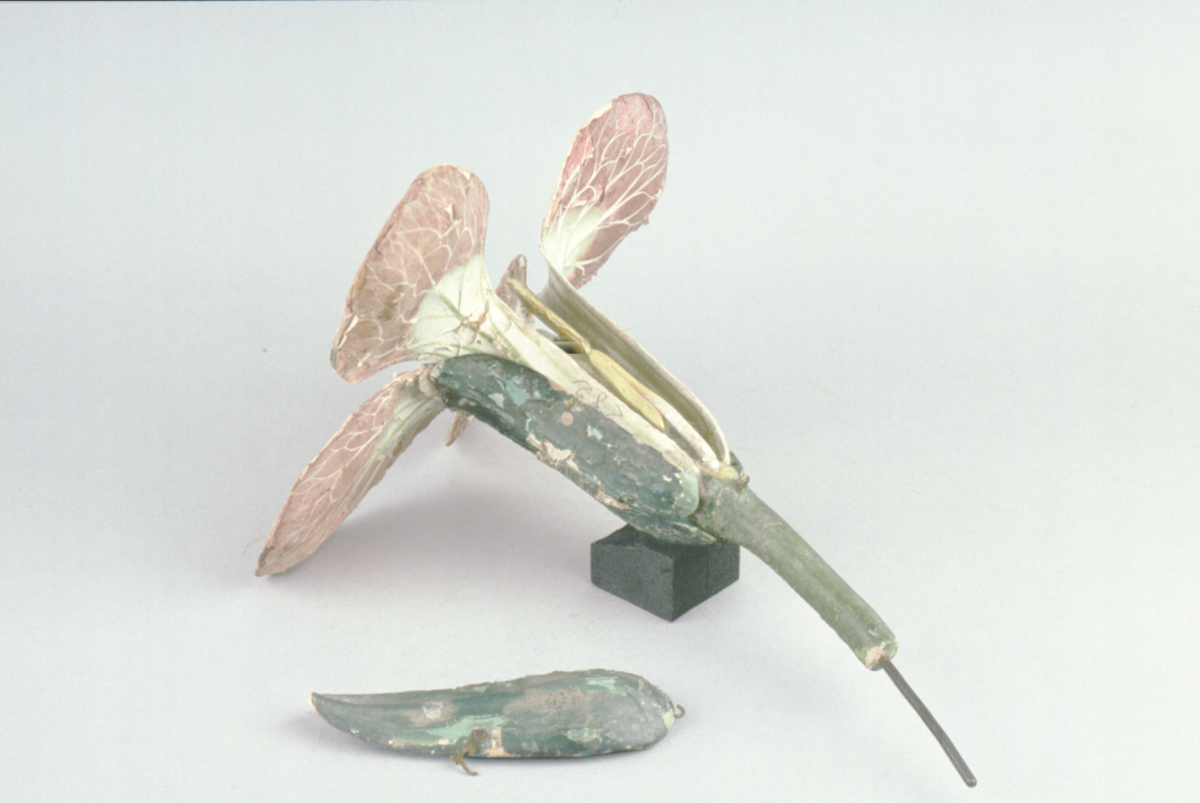
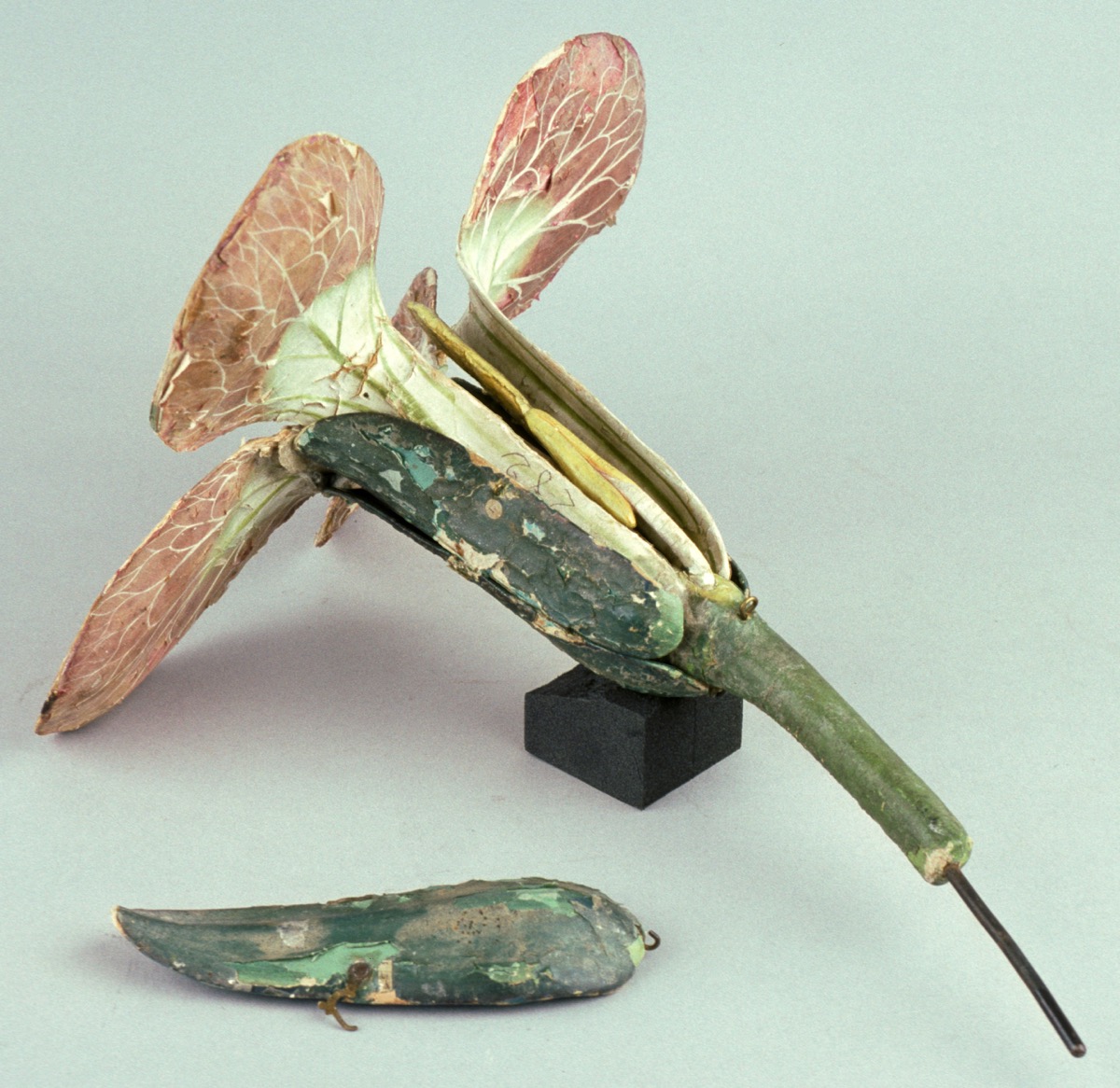
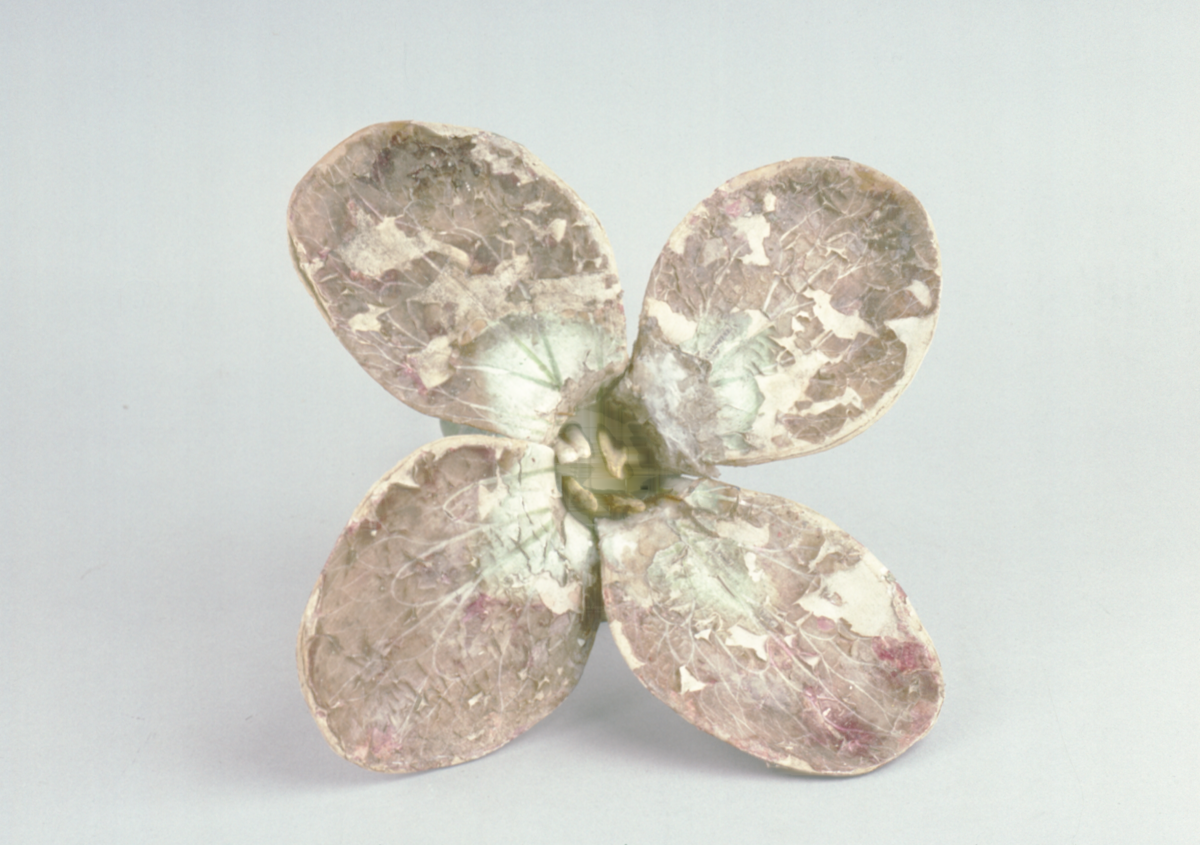
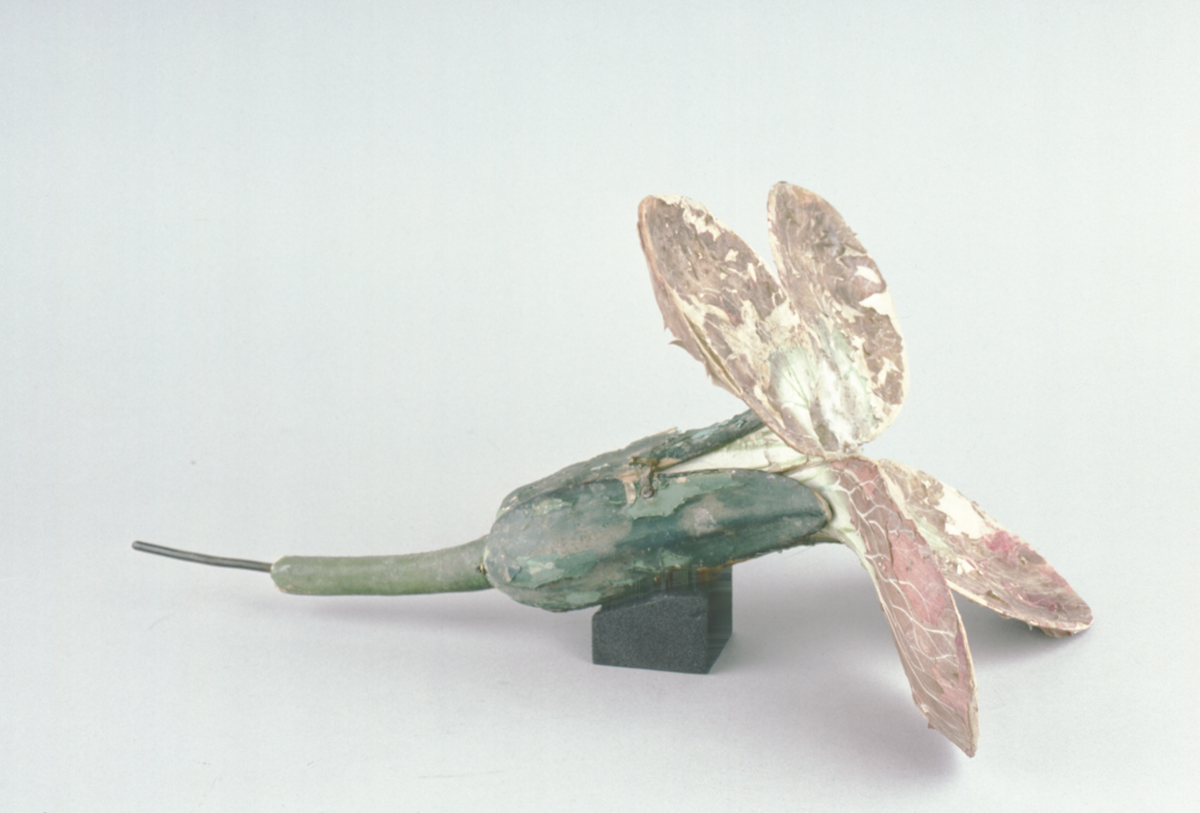
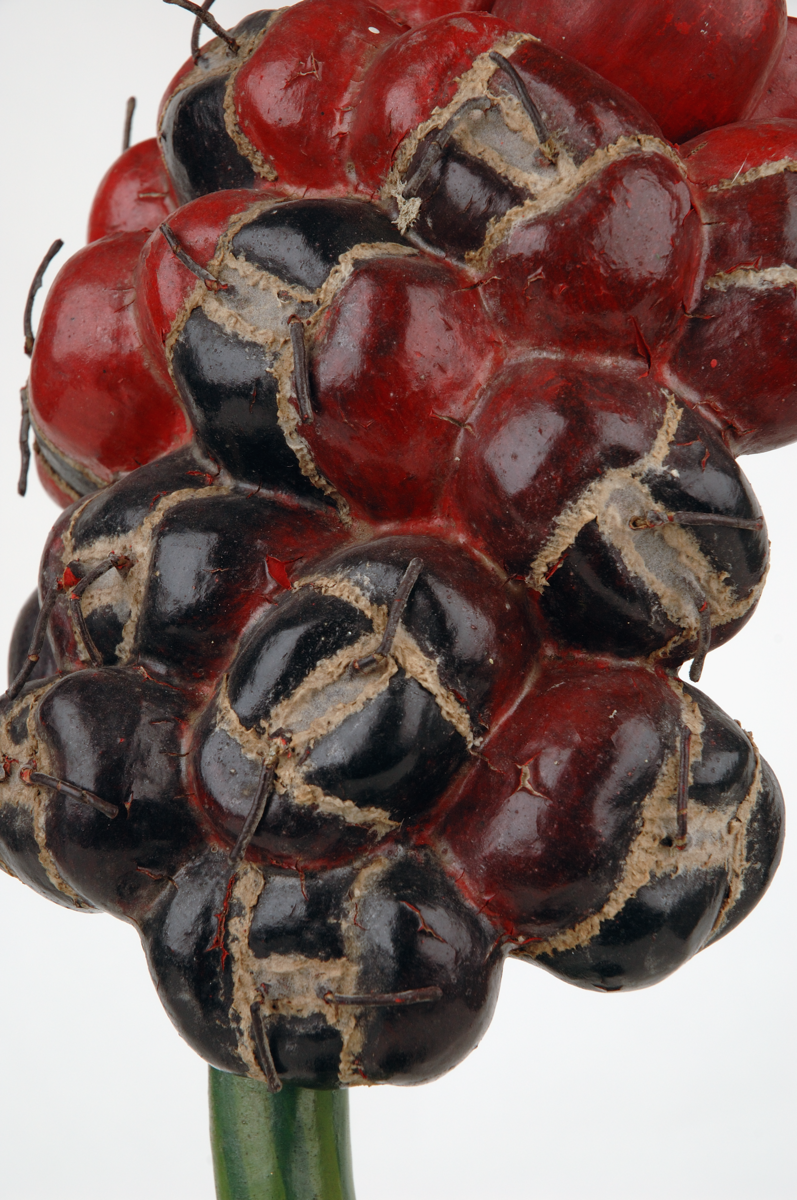
papier-mâché botanical model of a flower, giroflée (wallflower), by Louis Thomas Jérôme Auzoux, French, 19th Century
Origin
France; Saint-Aubin-d'Écrosville [attributed]
Maker
Auzoux, Louis Thomas Jérôme
Class
natural history; demonstration
Earliest Date
1800
Latest Date
1900
Inscription Date
Material
metal (steel, brass); paper (papier mâché, card)
Dimensions
widest across petals 310mm; longest from stem to petal 430mm
Special Collection
Provenance
Purchased from Piasa Auction House, 5 Rue Drouot, 75009 PARIS, France, on 22/10/1998.
Inscription
on the stem
Modelé
Description Notes
Papier mâché botanical model of a flower, giroflée (wallflower), by Auzoux, French, 19th century.
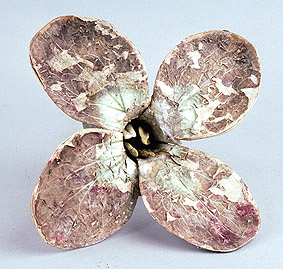
Four petalled flower with labelled parts. The petals are of a mottled purple colour. Two brass hook clasps on the body of the plant can be undone to allow for disassembly. Two petals and two anthers are removable, held in position by metal prongs that insert themselves into the body of the plant. Once these are removed there is effectively half a flower remaining attached to the central stem; the stigma is now exposed. On an attached petal is handwritten the number 282 in pencil (possible the Auzoux model number). The flowers parts are labelled with black typewritten ink on paper. Hands with pointing fingers, ink on paper indicate to the student where to disassemble and reassemble the pieces.
References
Events
Description
The Wallflower model was produced by Louis Thomas Jérôme Auzoux (1797–1880) as a teaching and reference model for botany students. Institutions, such as Cornell University and Mount Holyoke in the United States, purchased models such as these to demonstrate their ability to compete against established teaching programmes and to circumvent traditional modes of acquiring botanical knowledge. Like many of Auzoux’s models, the Wallflower can be disassembled. As a medical student in Paris, Auzoux developed a special papier-mâché mixture (containing cork and clay as well as paper and glue) in order to produce anatomical models that could be taken apart piece by piece. Traditional wax media used in earlier modes of model-making was expensive and fragile. After establishing a commercially successful factory in St. Aubin d’Ecrosville that produced clastic models of human anatomy, Auzoux’s company expanded to include examples of animals and plants.
05/11/2013
Created by: Allison Ksiazkiewicz on 05/11/2013
FM:45690
Images (Click to view full size):