Accession No
5983
Brief Description
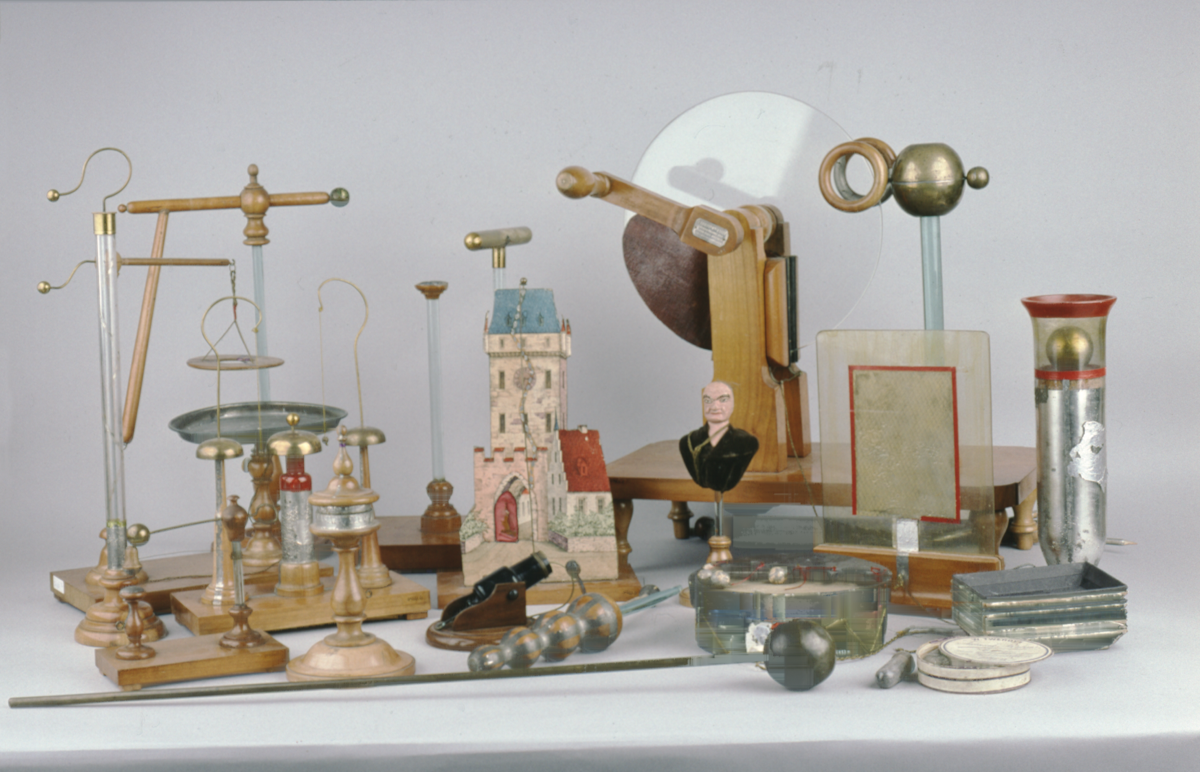
single plate friction generator and associated collection of electrostatic demonstration equipment; by A. Pichler & Sohn; late 19th century
Origin
Vienna (wien), Austria
Maker
Pichler, A. & Sohn
Class
electrical; demonstration
Earliest Date
1870
Latest Date
1880
Inscription Date
Material
wood (beech); glass; metal (brass, foil, tin, steel, iron); cloth (canvas; cotton, velvet); paper (card); plastic (ebonite); clay; organic (human hair; vellum)
Dimensions
friction generator: height 470mm; width 420mm; depth 225mm box: height 295mm; length 570mm; width 390mm
Special Collection
Provenance
Purchased from Trevor Philips & Sons, 75A Jermyn Street, St James’s, London, on or before 19/11/2003. Purchased with a grant from the PRISM fund.
Inscription
A. PICHLERS WWE & SOHN
BUCHHANDLUNG UND
LEHRMITTEL ANSTALT
WIEN. V. MARGARETHENPLATZ 2
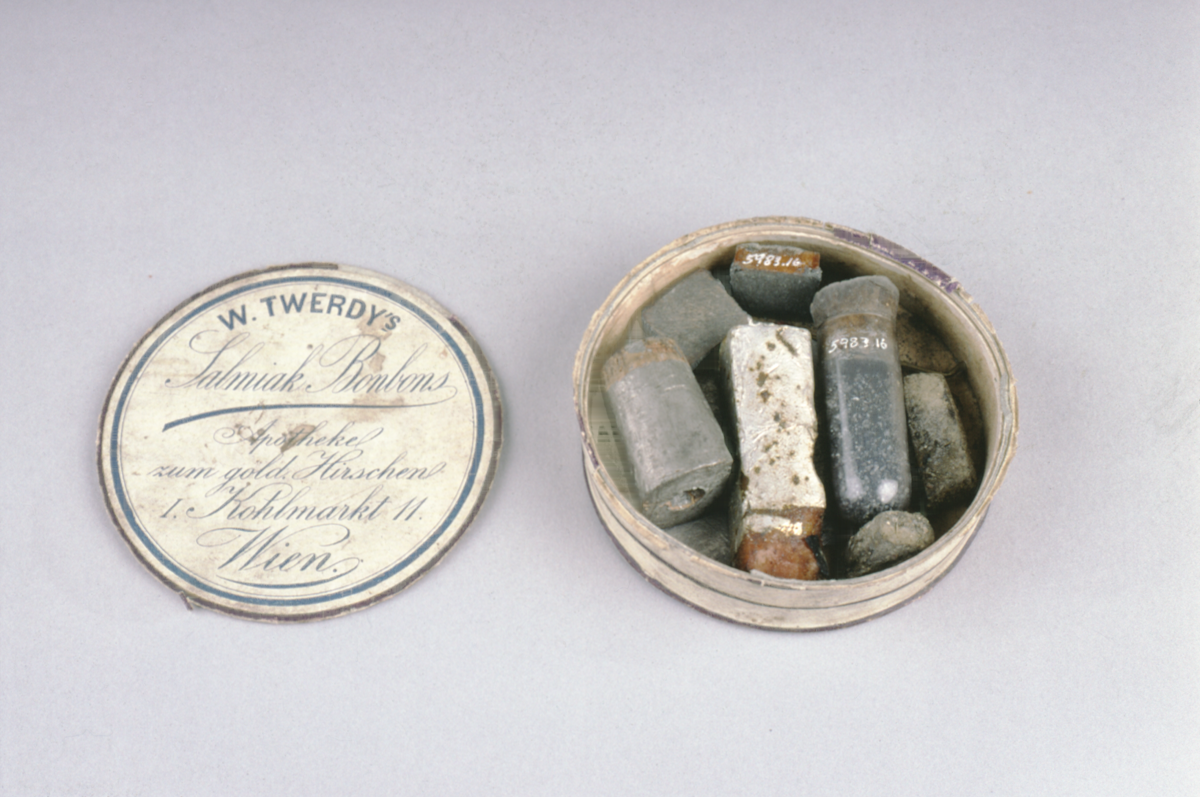
On round box: W. TWERDY’S
Salmaik Bonbons
Apotheke
zum gold Hirchen
I Kohlmarkt 11
Wien
Description Notes
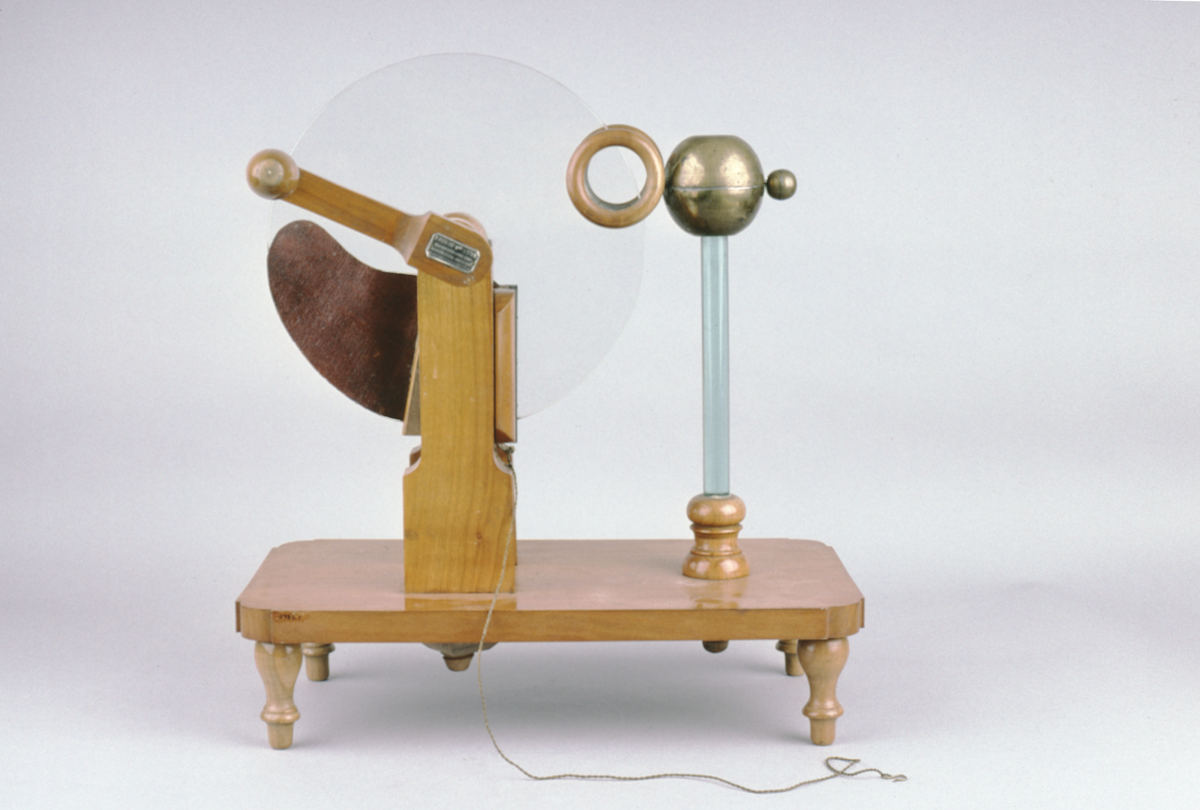
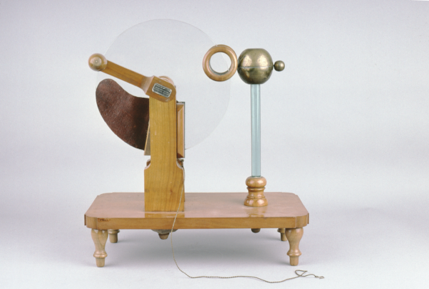
5983.1 -19th century single plate de Winter friction generator. This type of generator was invented by Professor de Winter and was known as a ‘long spark’ generator. Stained beech platform on turned wooden legs supporting main electrostatic collecting terminal. Terminal consists of brass sphere with attached twin pine rings with protruding steel spikes which collect static from the turning glass plate, the brass sphere is supported on an insulating rod of glass in a turned wooden foot. The glass plate is supported by two pine pillars on a turned wooden axel with a wooden handle. The friction is created with matching canvas and leather pads held in place by wooden wedges.
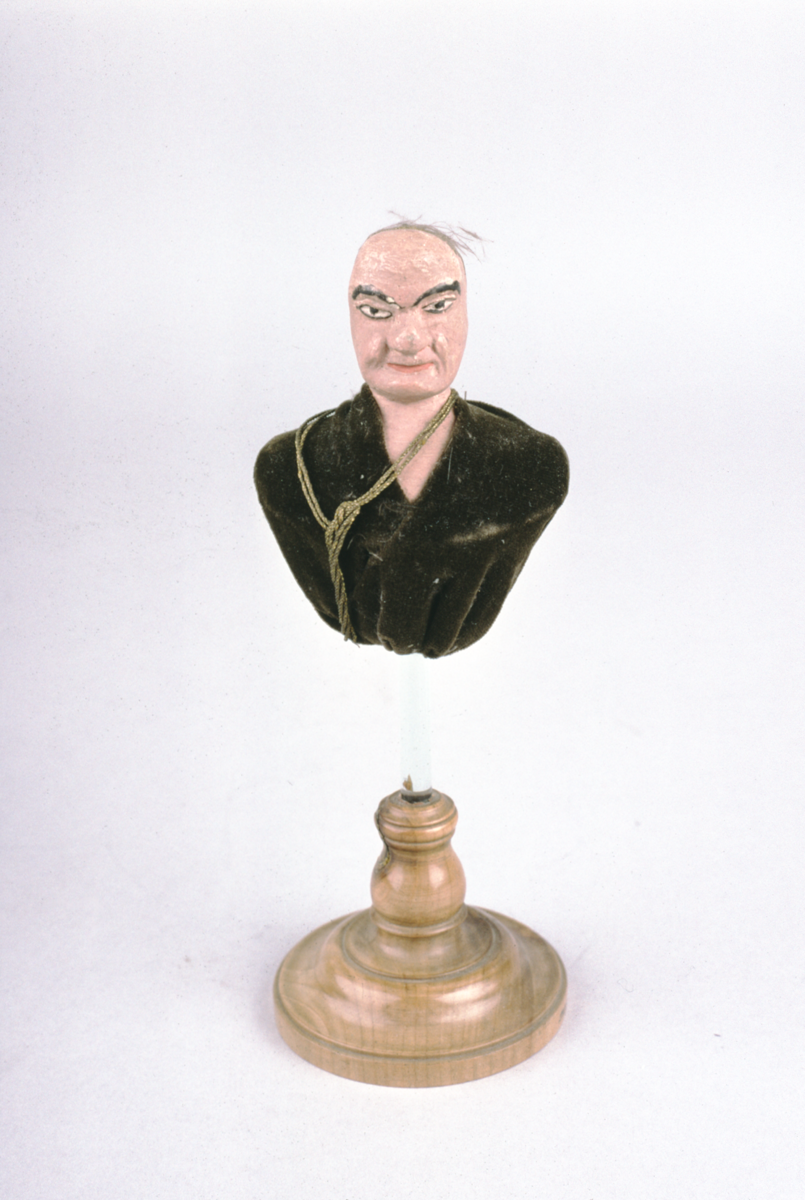
5983.2 - electrostatic demonstration ‘head of hair’ consisting of a painted clay bust wearing a brown velvet robe supported on a glass insulating rod in a turned wooden base. Hair now missing.
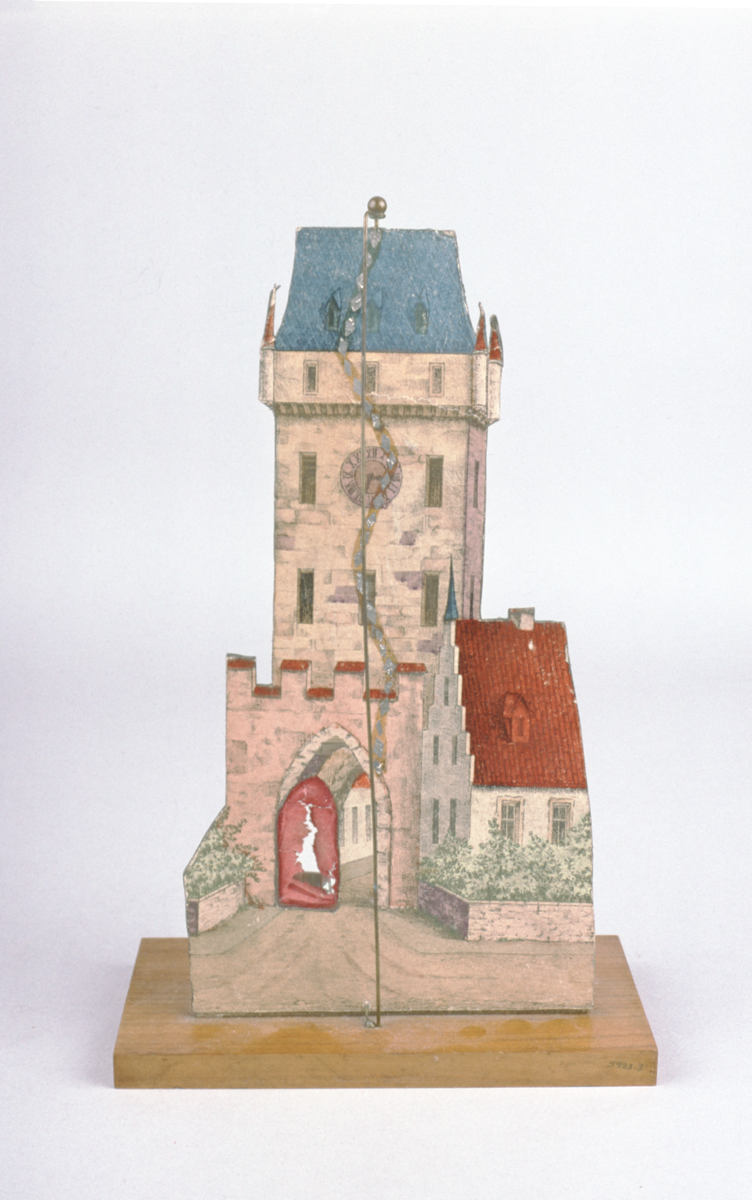
5983.3 - ‘flash house’ consisting of a coloured card house on a pine base with brass terminals and a foiled lightning strike. Red tissue paper in the door broken.
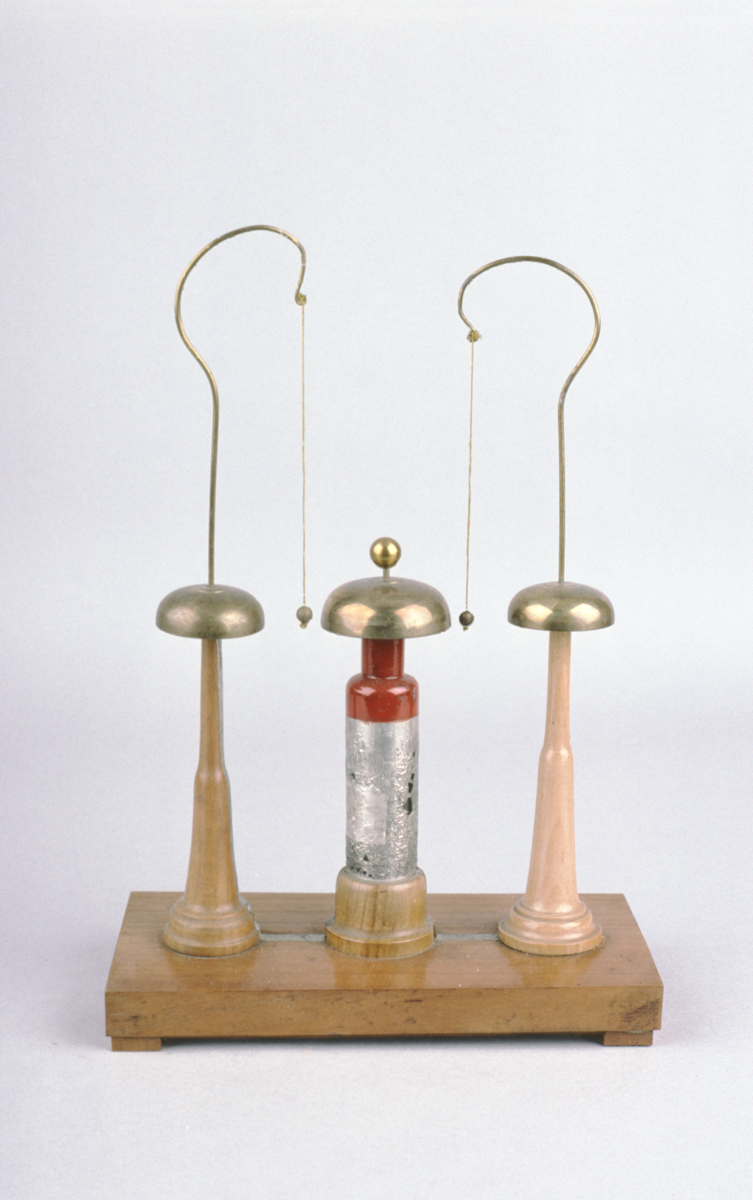
5983.4 - set of electrostatic bell chimes. Central bell mounted on a leyden jar, two side bells mounted on turned wooden supports. Side bells have brass electrostatic directors mounted in their tops and from these are dangling the brass threaded bell chimes. Mounted on a wooden plinth.
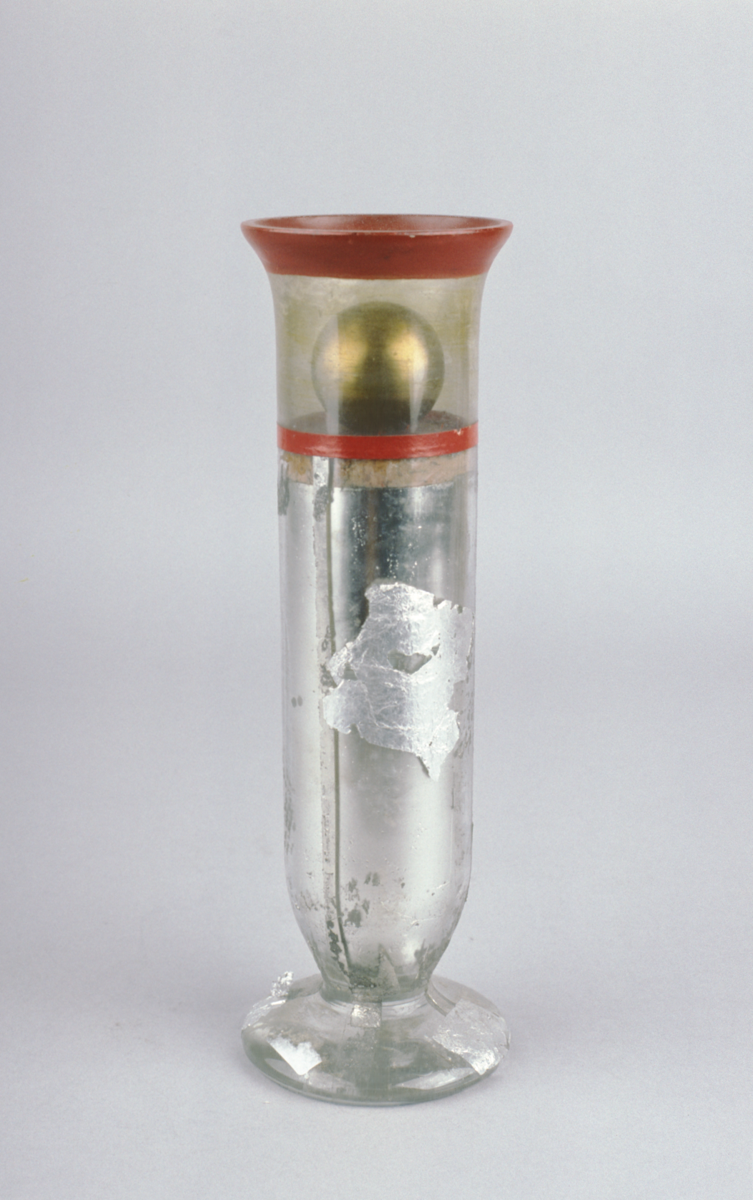
5983.5 - glass vase shaped leyden jar
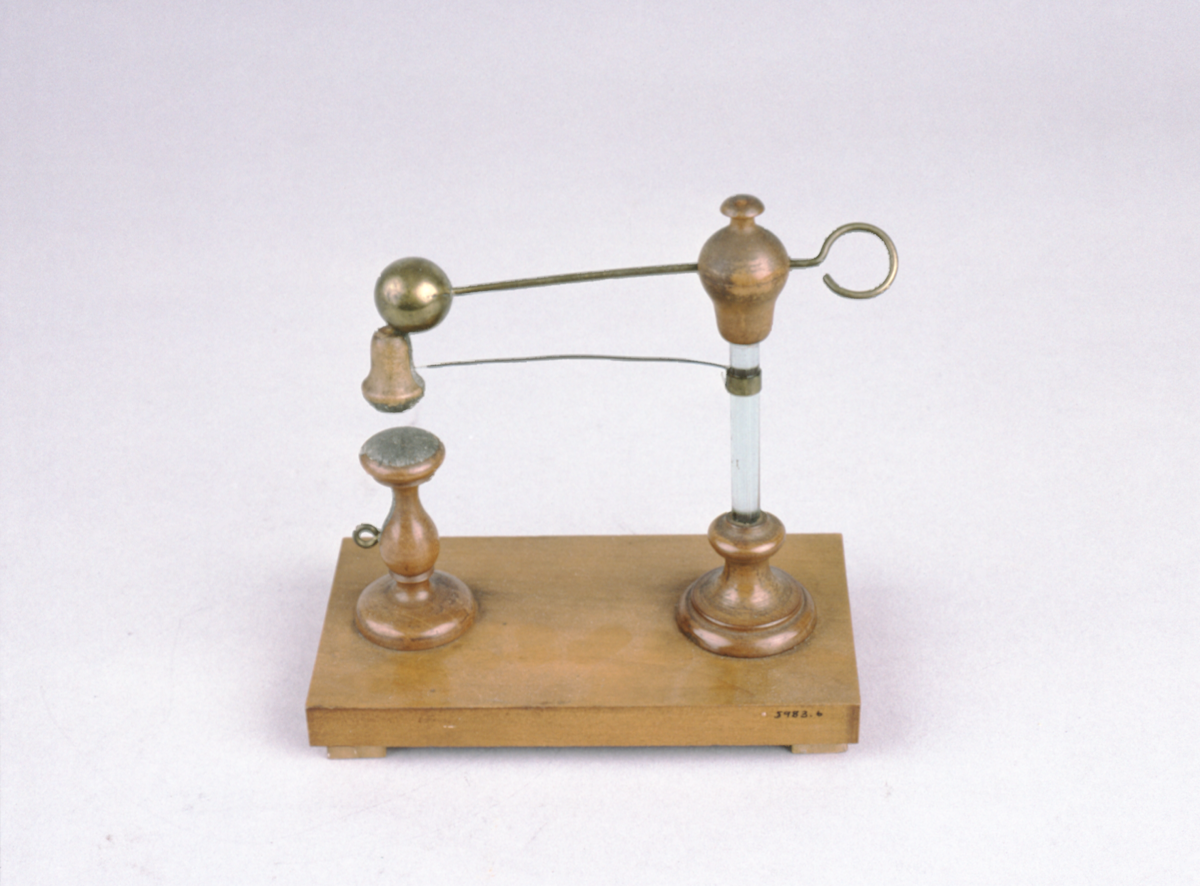
5983.6 - electrostatic hammer consisting of a wooden plinth upon which is mounted a turned wooden hammer block topped with silvering and a hammer head mounted via a flexible metal arm to an insulated pillar. The hammer is controlled via a brass electrostatic director mounted above it.
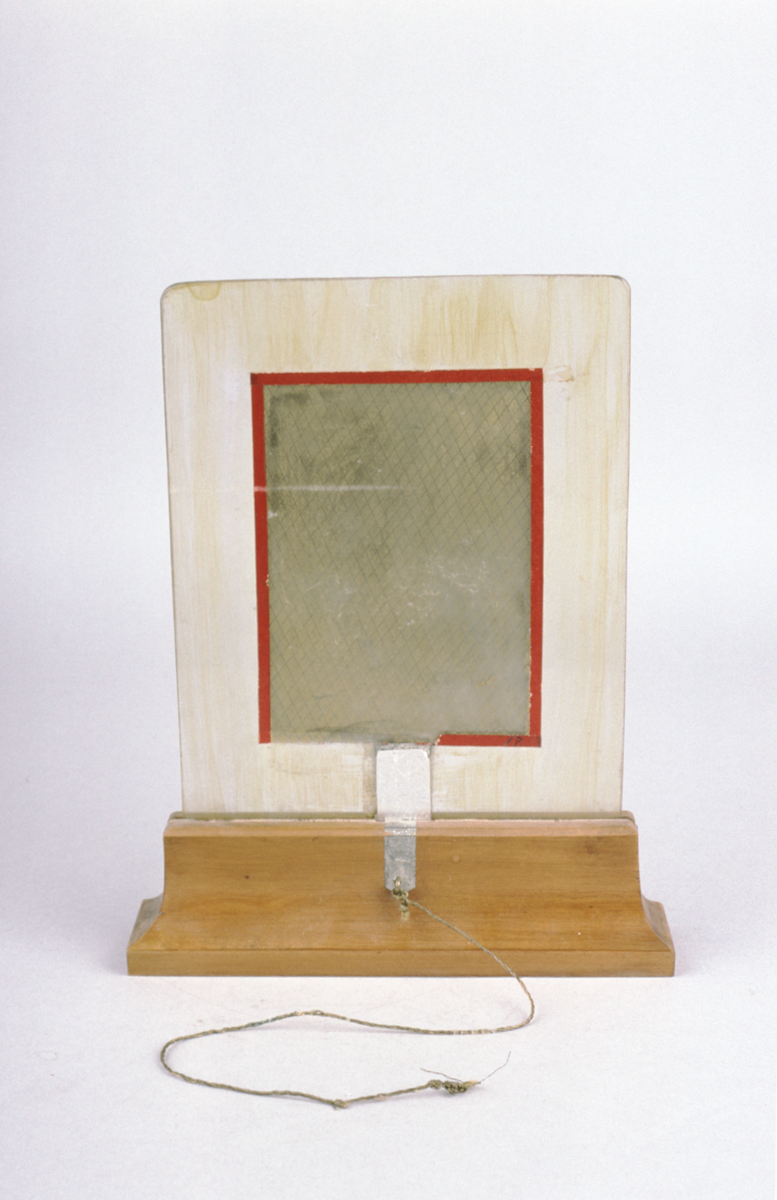
5983.7 - glass flicker panel mounted in a wooden stand. Glass is yellowed with a rectangular panel of silvering in the center.
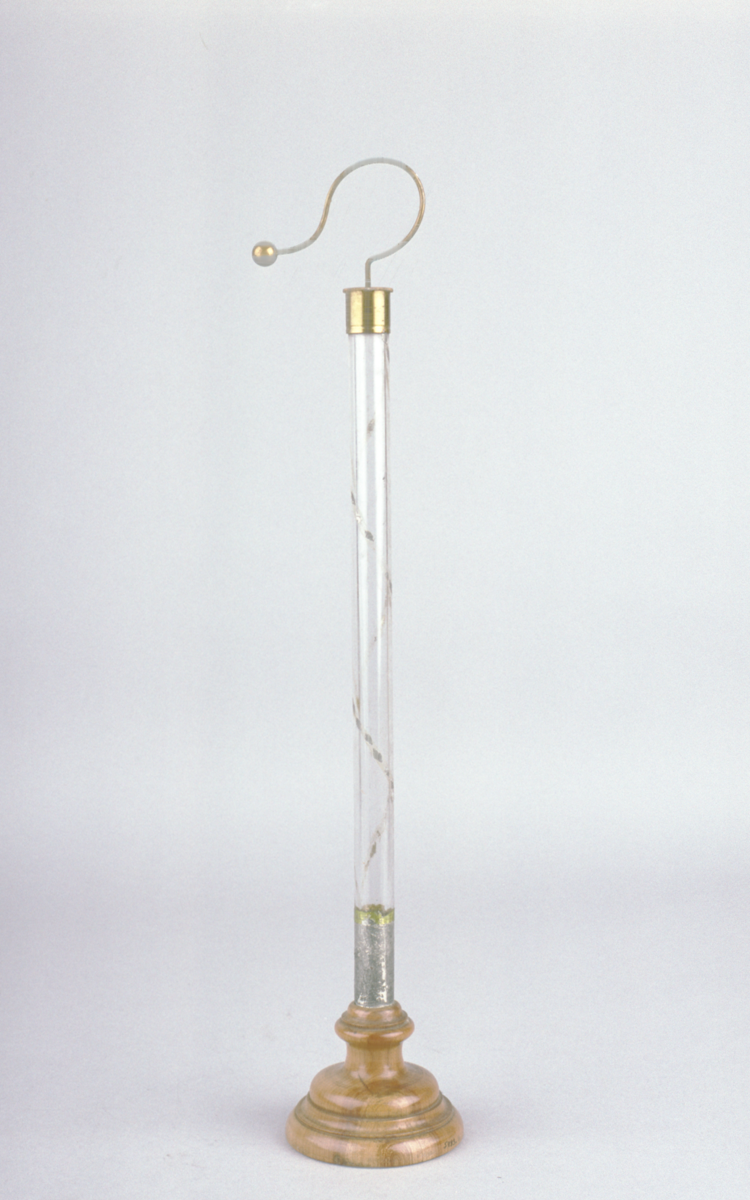
5983.8 - glass tube mounted in a turned wooden base surmounted with a brass director. A silvered pathway spirals down the outside of the tube.
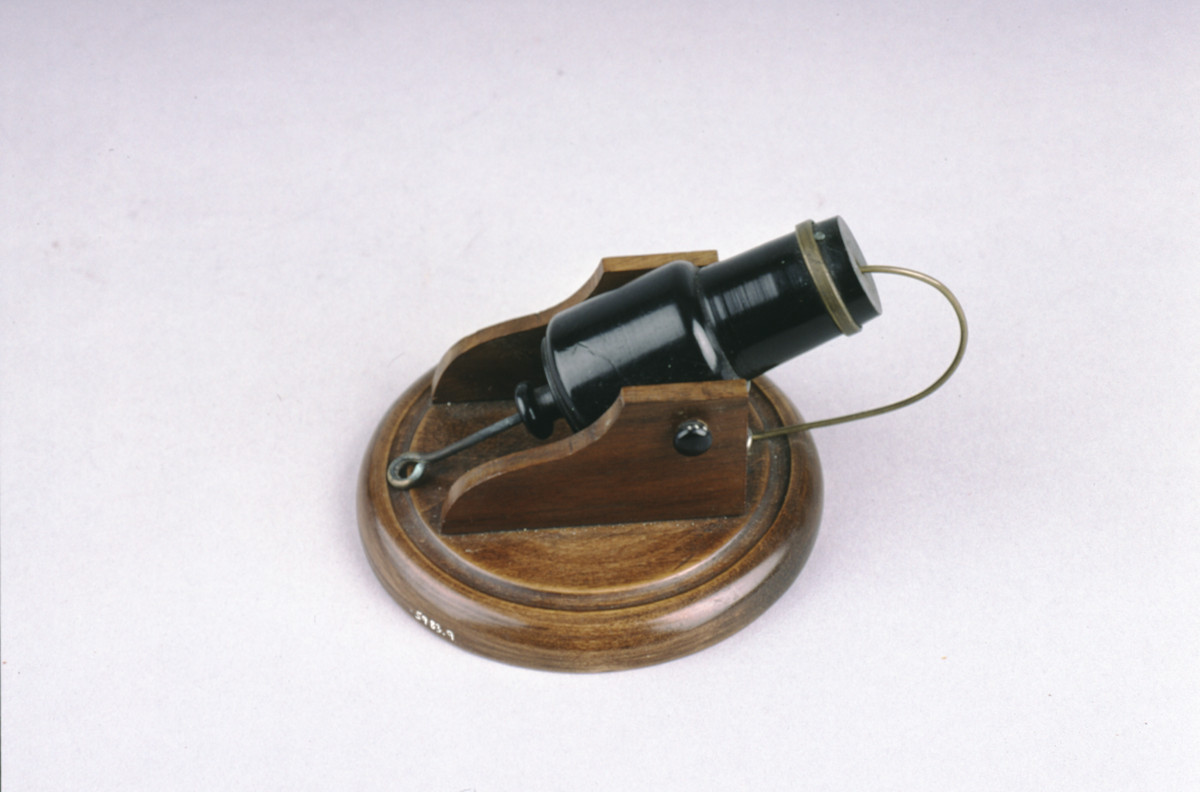
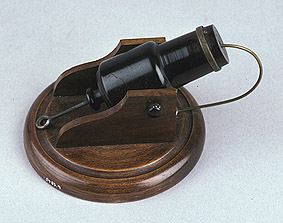
5983.9 - black ebonite electrostatic cannon mounted onto a wooden base.
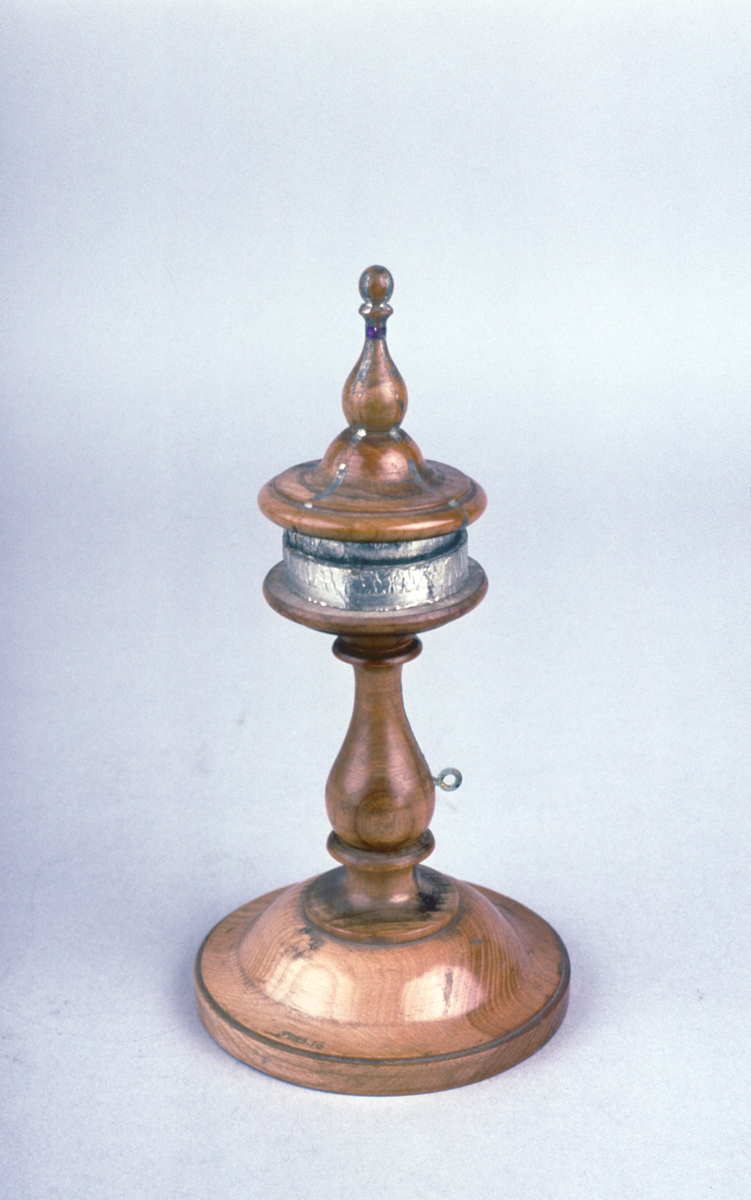
5983.10 - turned wooden column with foil beneath a detachable lid with a wooden pinnacle
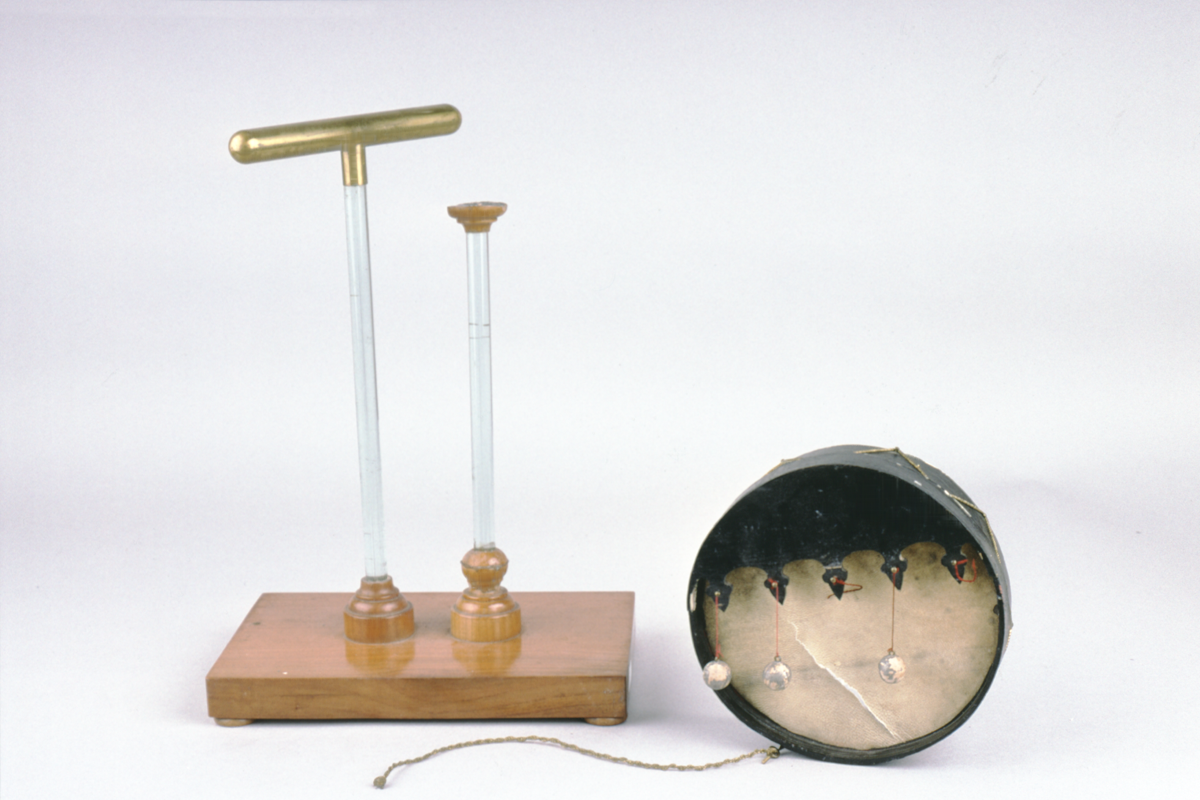
5983.11 - electrostatic drum mounted on a glass insulated pillar (detached) on a wooden base. Mounted next to it is a rotatable brass conductor. The the drum has 4 wooden balls suspended on string over the drums skin (one detached). There is a split in the drums skin.
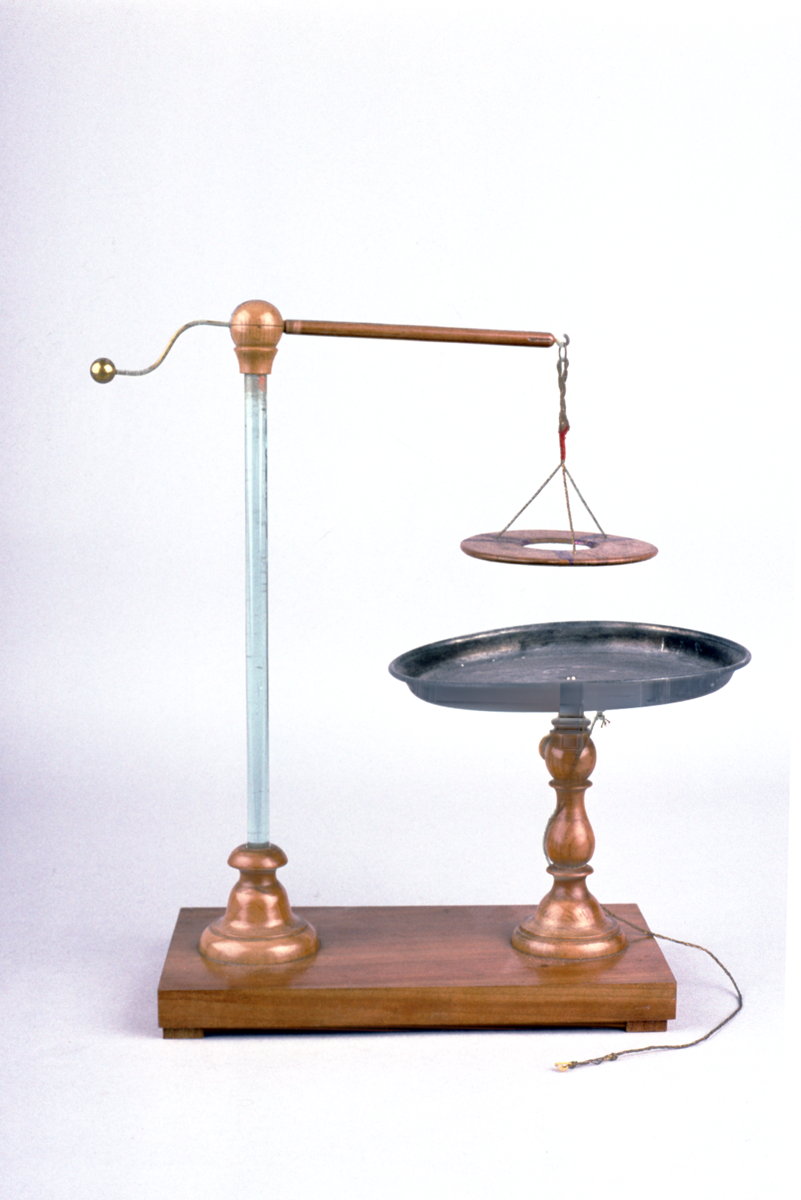
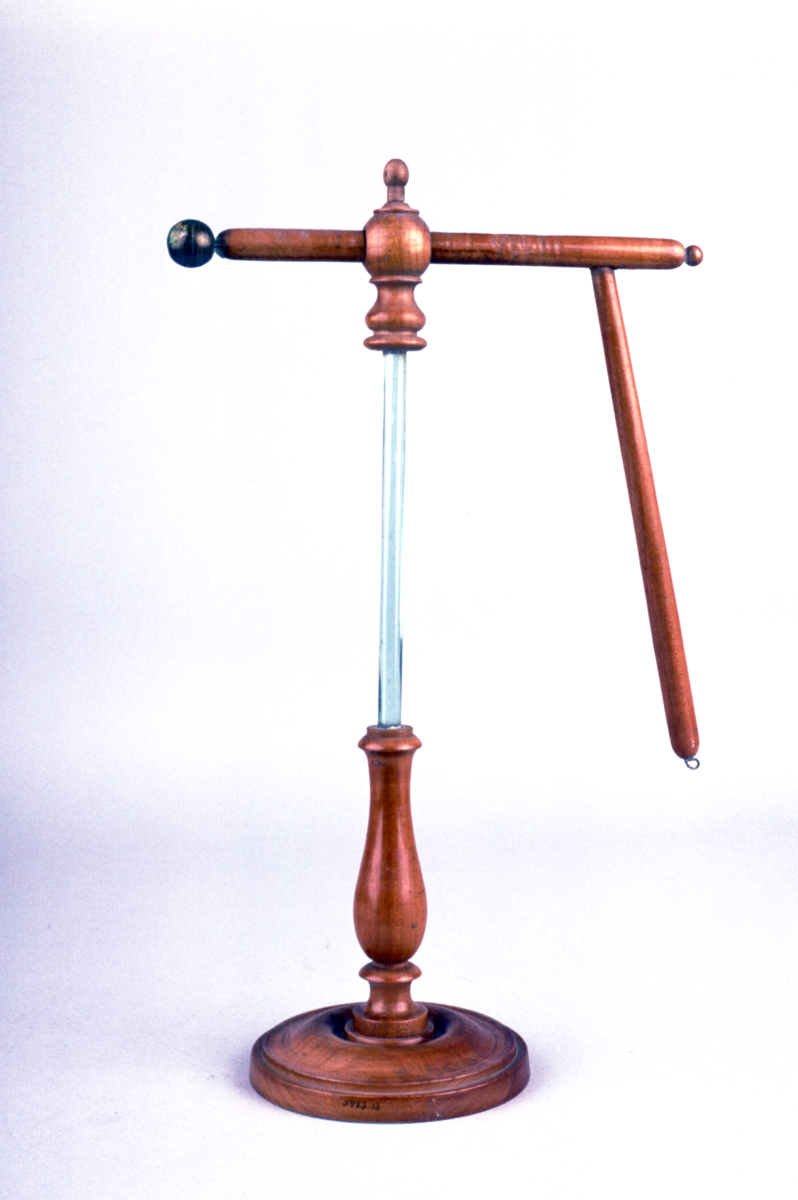
5983.12 - Flat wooden ring, silvered on one side, suspended over a silved metal dish. the dish is mounted on a turned wooden pillar with a wooden screw peg. The ring is suspended from a wooden arm supported by a glass insulating rod.
5983.13 - Current director consisting of a small brass spherical conductor mounted on a wooden arm. The arms length can be adjusted.
5983.14 - oxidised brass spherical conductor on a brass rod.
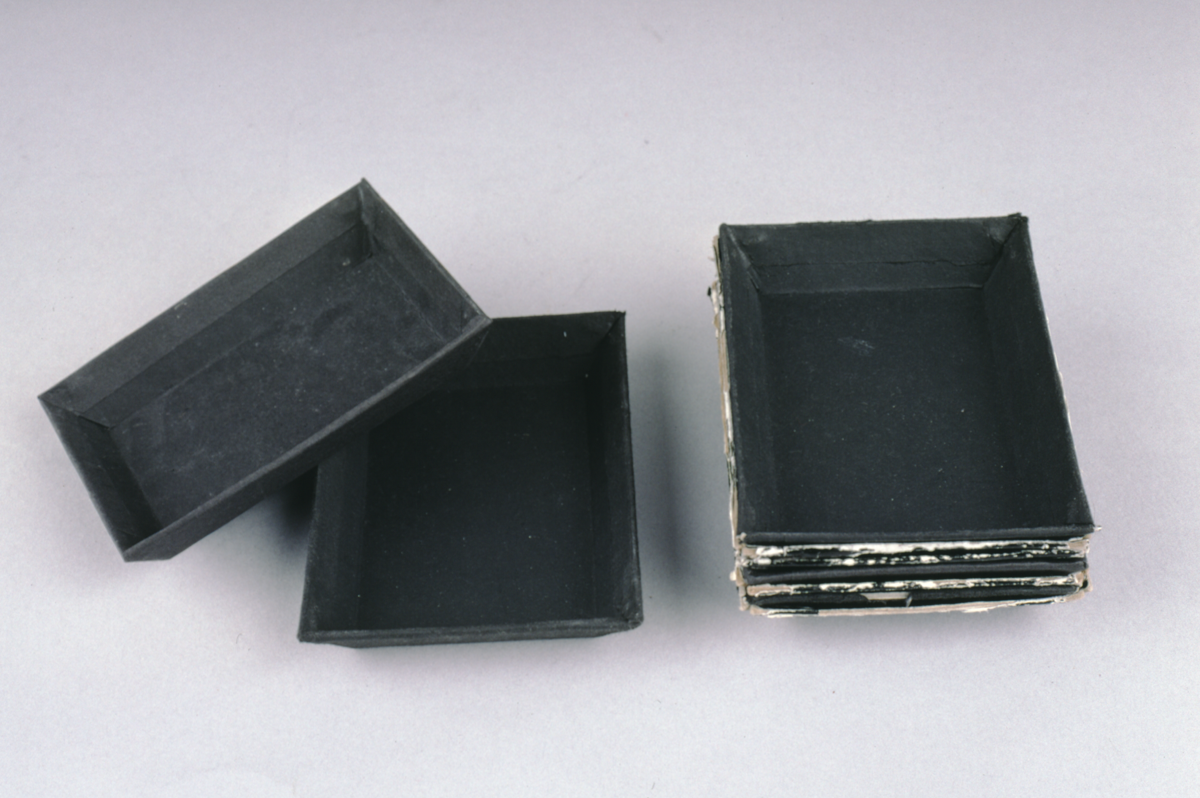
5983.15 - 9 black paper lined, rectangular cardboard dishes
5983.16 - round card sweetie box (detatched lid) with inscription. Inside are pieces of cork, a silvered card disk, small squares of wood, a glass vial of iron fillings and some sealing wax.
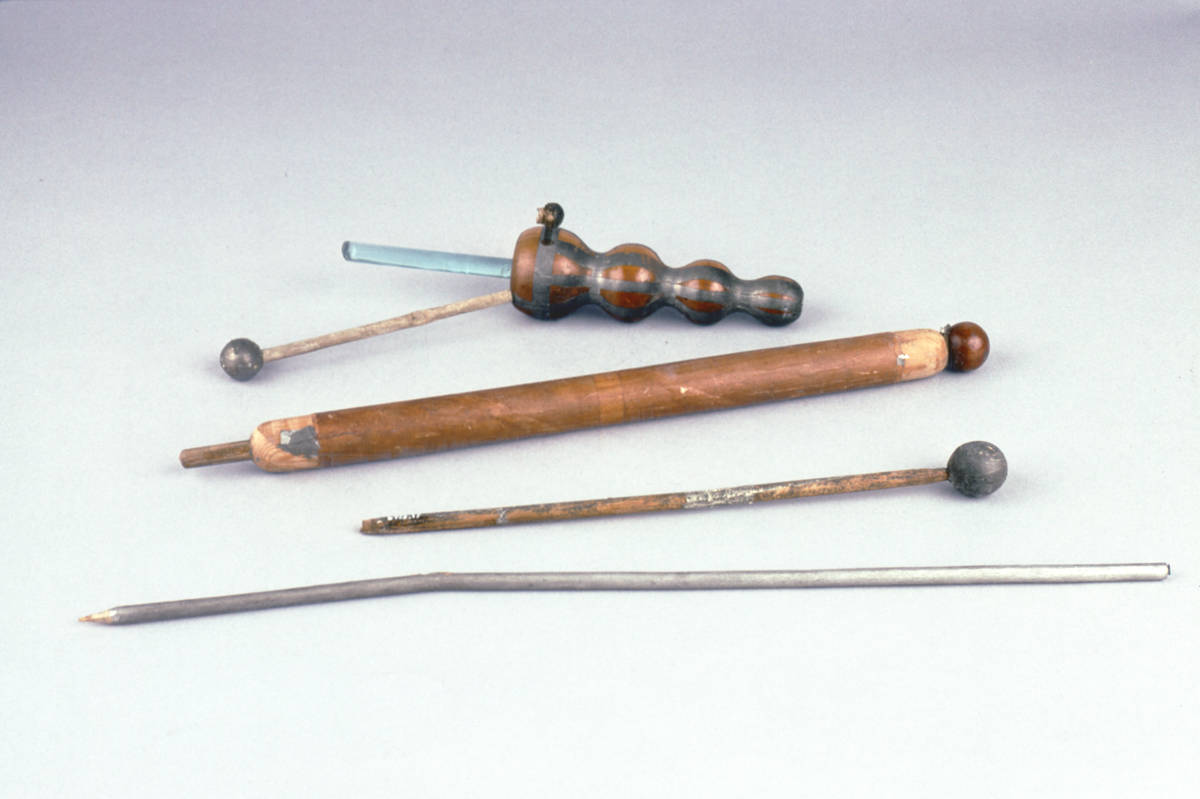
5983.17 - a collection of wooden items including a paper covered wooden stick rounded at the ends and surmounted by a wooden ball, wooden rod surmounted by a wooden ball, a silver painted stick (cracked in half). There is also an unusual shaped turned piece of wood attached to a broken piece of glass insulating rod. The wood is covered with strips of silvering and there are two protrusions. One is covered with a tube of perished rubber and finishes with a foil covered wooden ball from which a metal spike protrudes. The other is shorter and finishes with a coil of coarse thread.
Original box with marbled paper.
Condition good.
References
Events
Description
Electrostatic equipment
Made by A. Pichler & Sohn. Austrian, late 19th century
Set of equipment for demonstration experiments involving static electricity. In the 19th century, the wonders of electricity provided a form of entertainment and this type of equipment would have been used to amaze audiences.
The large unit is a de Winter friction generator, used for creating static electricity. Charge flows to the other parts of the set through the brass chain, making the bell chimes ring, firing the cannon or sending 'lightning' down the side of the house.
The clay man is supported on a glass rod to prevent electrical charge from leaking away. Although most of his hair is now missing, it would have stood on end when a charge was passed through it.
Purchased with the assistance of the PRISM fund
28/01/2004
Created by: Ruth Horry on 28/01/2004
FM:46447
Images (Click to view full size):