Accession No
6511
Brief Description
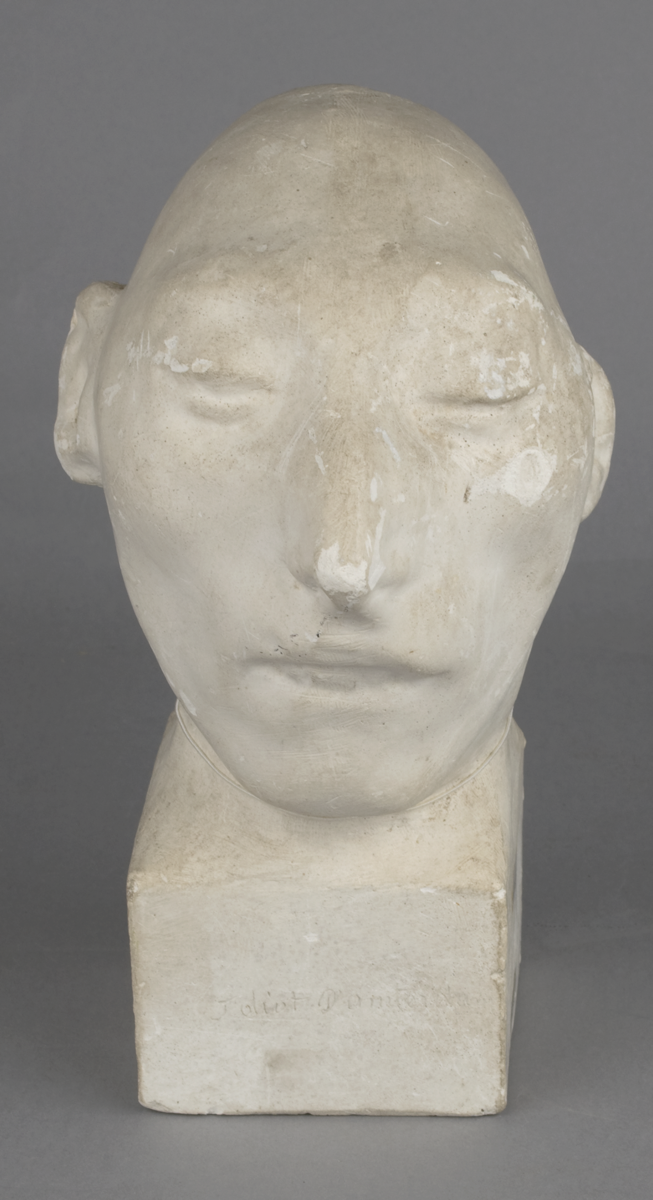
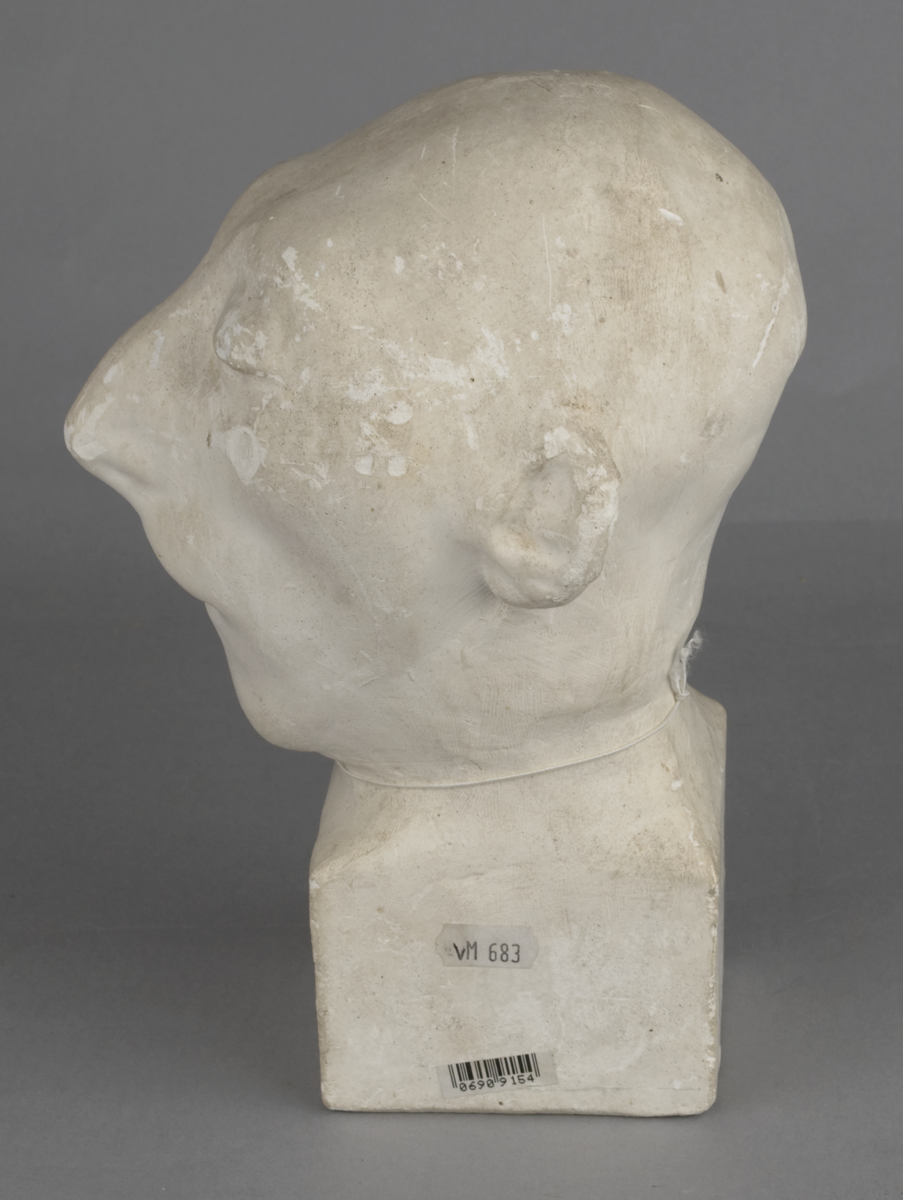
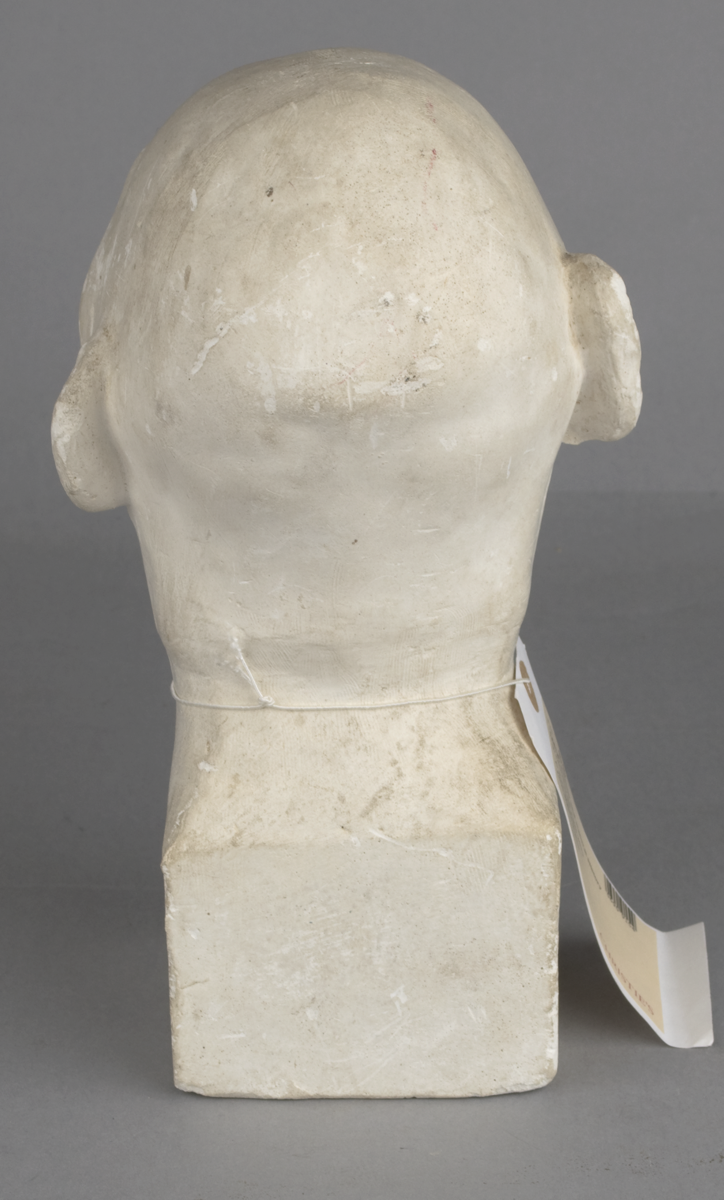
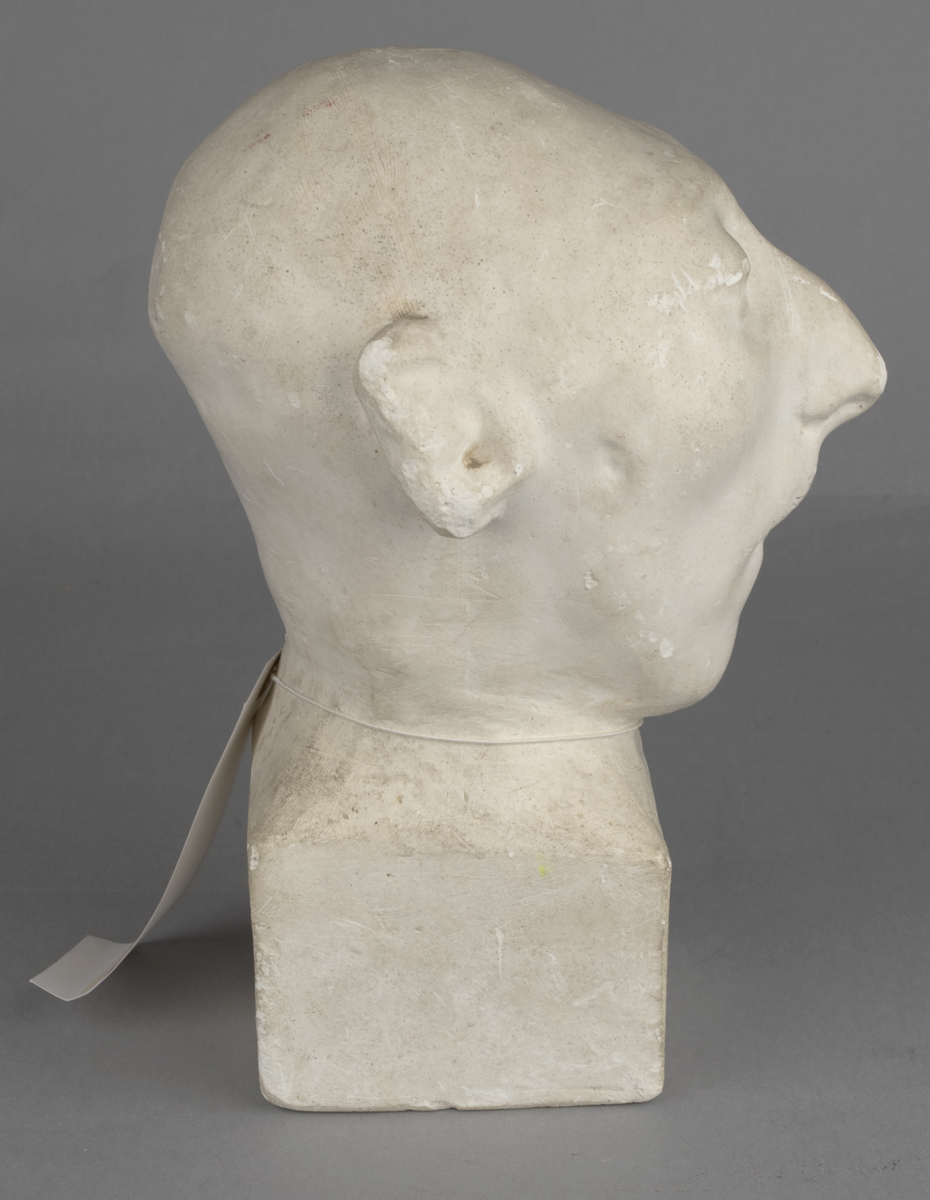
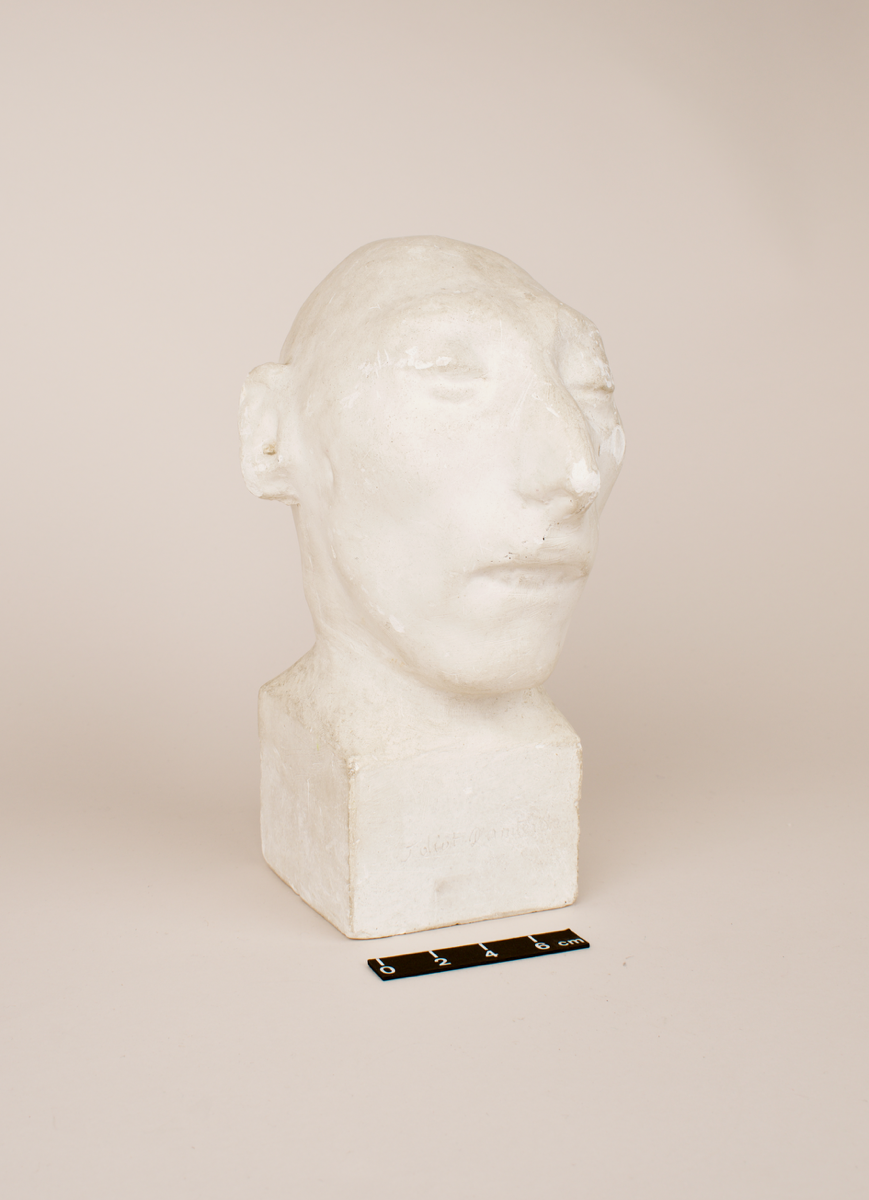
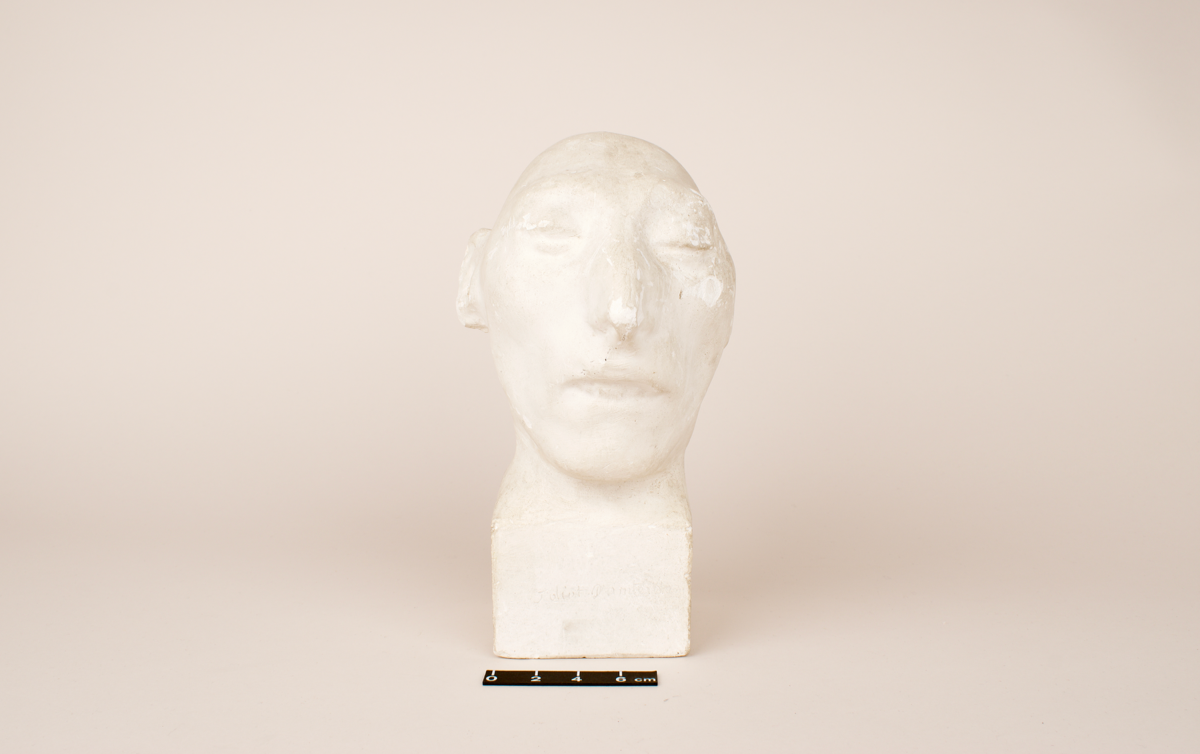
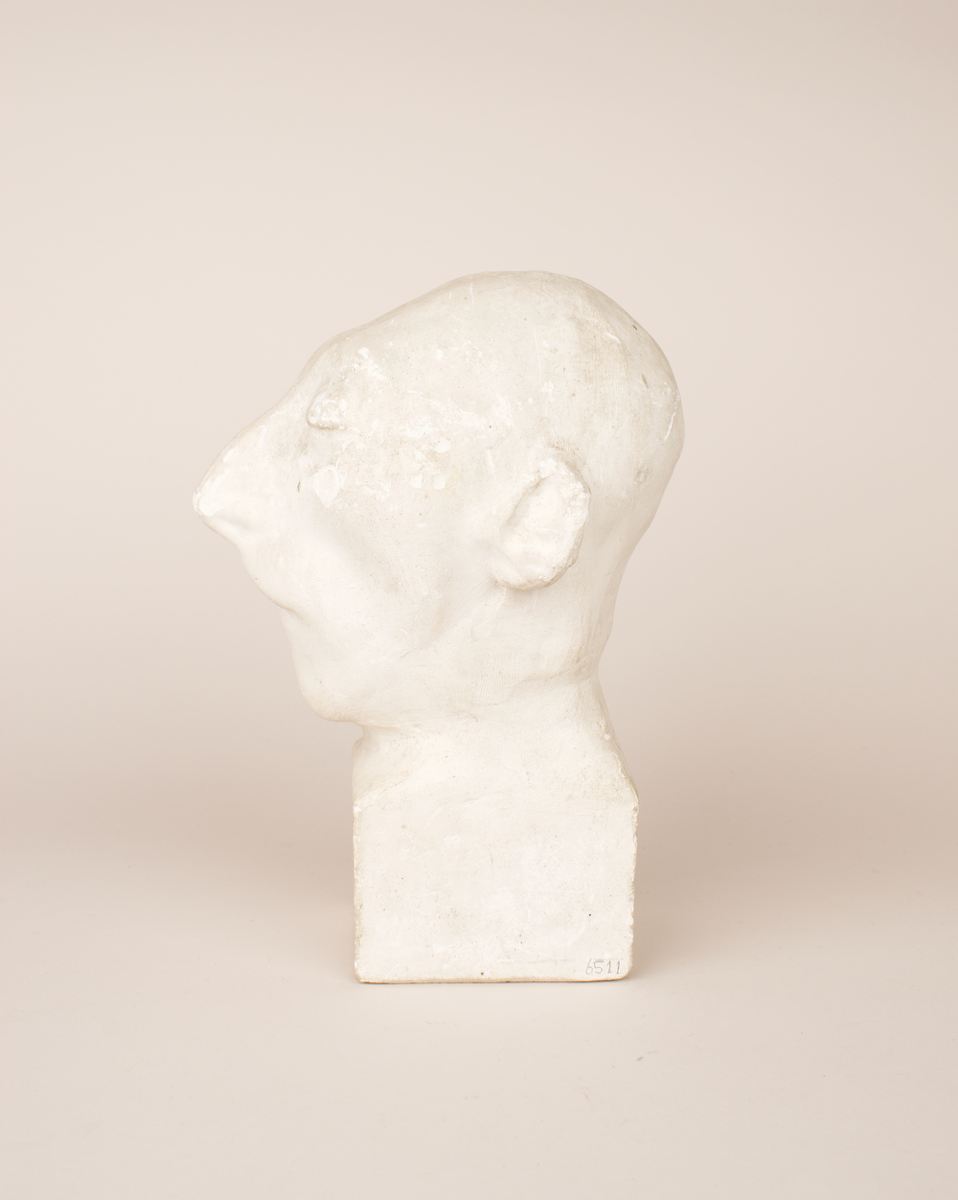
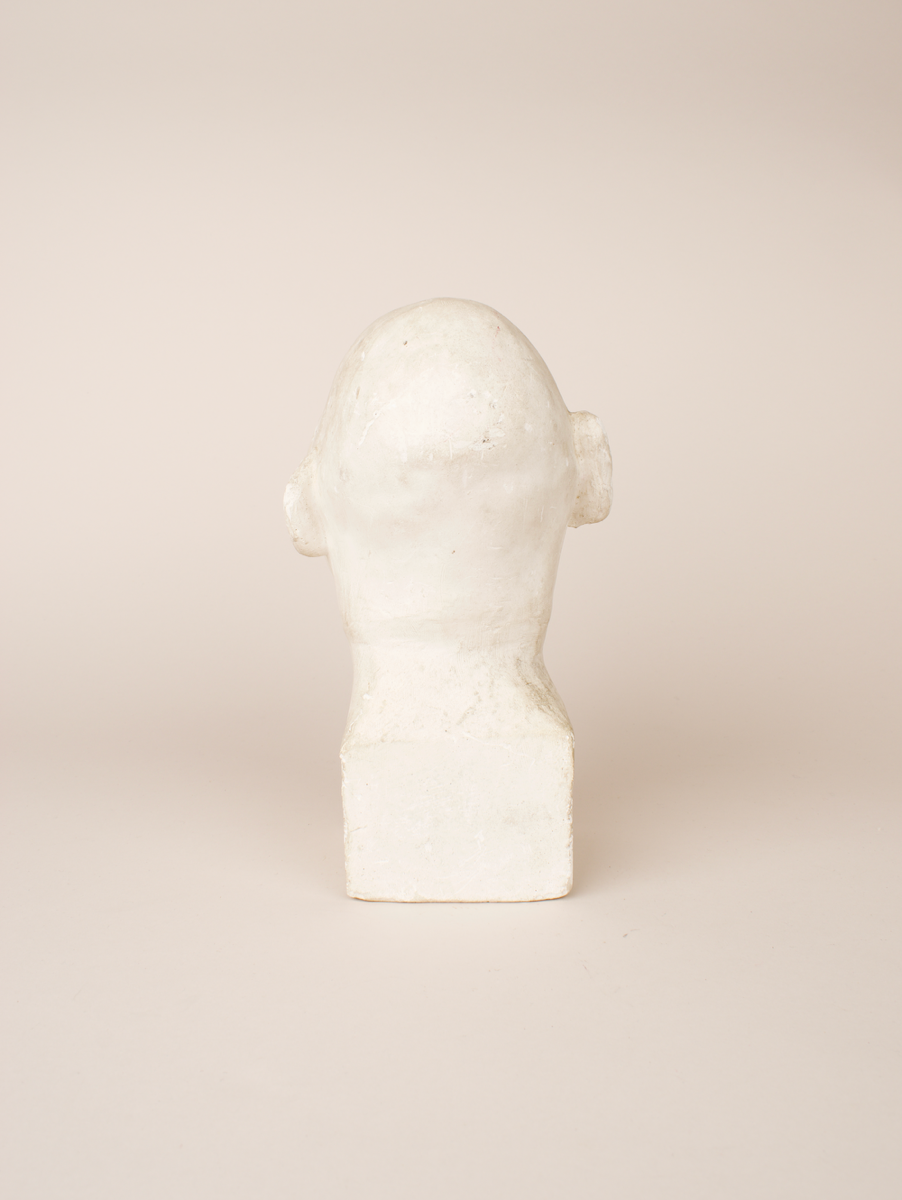
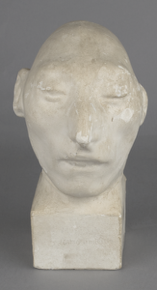
plaster phrenological head (bust), 'Idiot D'Amsterdam', attributed to James de Ville, English, 1830 (c)
Origin
England; London [based on attributed maker]
Maker
de Ville, James [attributed]
Class
biology; physiology; demonstration
Earliest Date
1830
Latest Date
1830
Inscription Date
Material
plaster
Dimensions
140mm wide x 190mm deep x 260mm tall
Special Collection
Provenance
Purchased from Christie’s South Kensington, 85 Old Brompton Road, London, SW7 3LD. Lot 55, Travel, Science and Natural History, 06/04/2011.
Inscription
“Idiot D'Amsterdam”
Description Notes
Plaster phrenological head (bust), 'Idiot D'Amsterdam', attributed to James de Ville, English, 1830 (c).
Life-sized (?) plaster-cast bust, in white plaster, showing the 'Idiot D'Amsterdam', demonstrating his rather unusual head size and shape.
On front of the bust’s base is engraved, in rough manuscript, “Idiot D'Amsterdam”.
References
Events
Description
Phrenology, a pseudoscience, argued that a person's intelligence and character were determined by the size of their head and different areas of their brains. Busts and masks were common for teaching and learning phrenology.
We don't know much about who the person of whom this bust was made, only that he lived in Amsterdam and had a learning disability. In the 19th Century, intellectual disabilities began to be researched more. Terms like 'idiot' were widely used in medical fields and later popularised in everyday language. The word is considered offensive nowadays.
The distinctive facial features and presumed intellectual disabilities were possibly caused by Seckel Syndrome. There are two similar busts at the Vrolik Museum, the Netherlands, and their labels describe Seckel Syndrome.
27/02/2023
Created by: Guey-Mei Hsu on 27/02/2023
Description
This phrenological cast of a man's head by James de Ville was made in circa 1830. In the 19th century, 'idiot' was employed as a non-derogatory psychological classification for those with a significant learning difficulties. Phrenology, now proven to be a pseudo-science, proposed that specific areas of the brain were responsible for different characteristics, which, as their size varied, would reflect the person's character and abilities.
[2018 Main Gallery label]
27/02/2023
Created by: Guey-Mei Hsu on 27/02/2023
FM:47020
Images (Click to view full size):