Accession No
6896
Brief Description
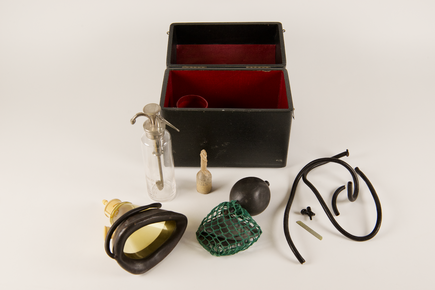
portable anaesthetic kit with chloroform, by Ferris and Company, English, early 20th Century
Origin
England; Bristol
Maker
Ferris and Company
Class
medical
Earliest Date
1900
Latest Date
1950
Inscription Date
Material
glass; leather; plastic; rubber; metal; fabric; paper
Dimensions
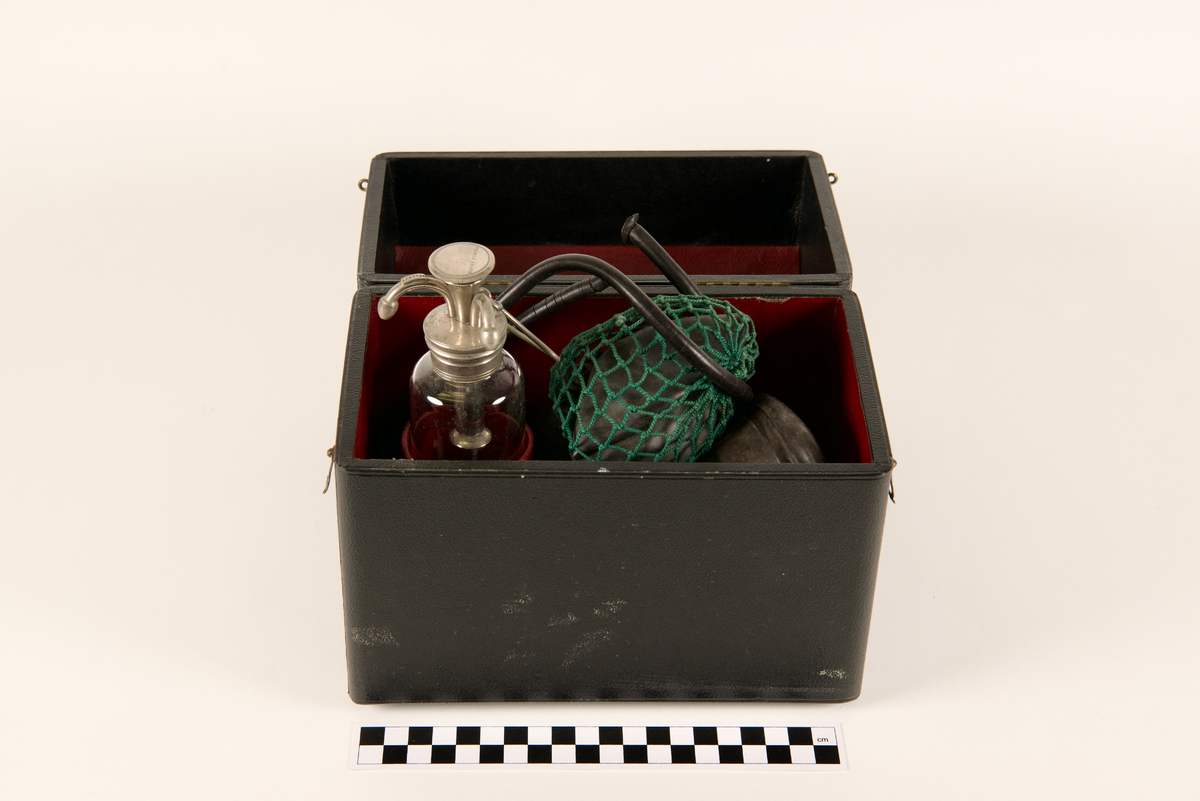
210mm (width), 122mm (depth), 230mm (height)
Special Collection
Provenance
Donated by a private individual in May 2025.
Inscription
FERRIS BRISTOL [on top of metal insert for glass jar]
Description Notes
Portable anaesthetic kit, by Ferris and Company, English, early 20th Century.
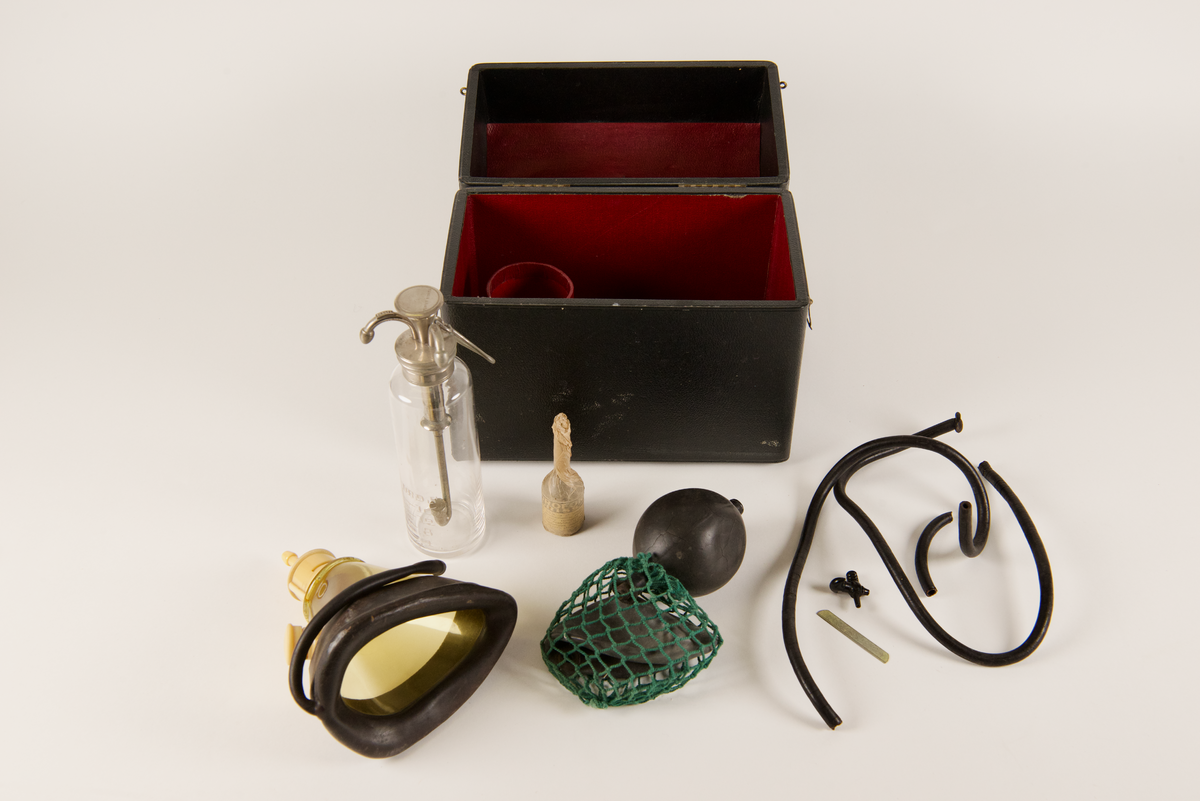
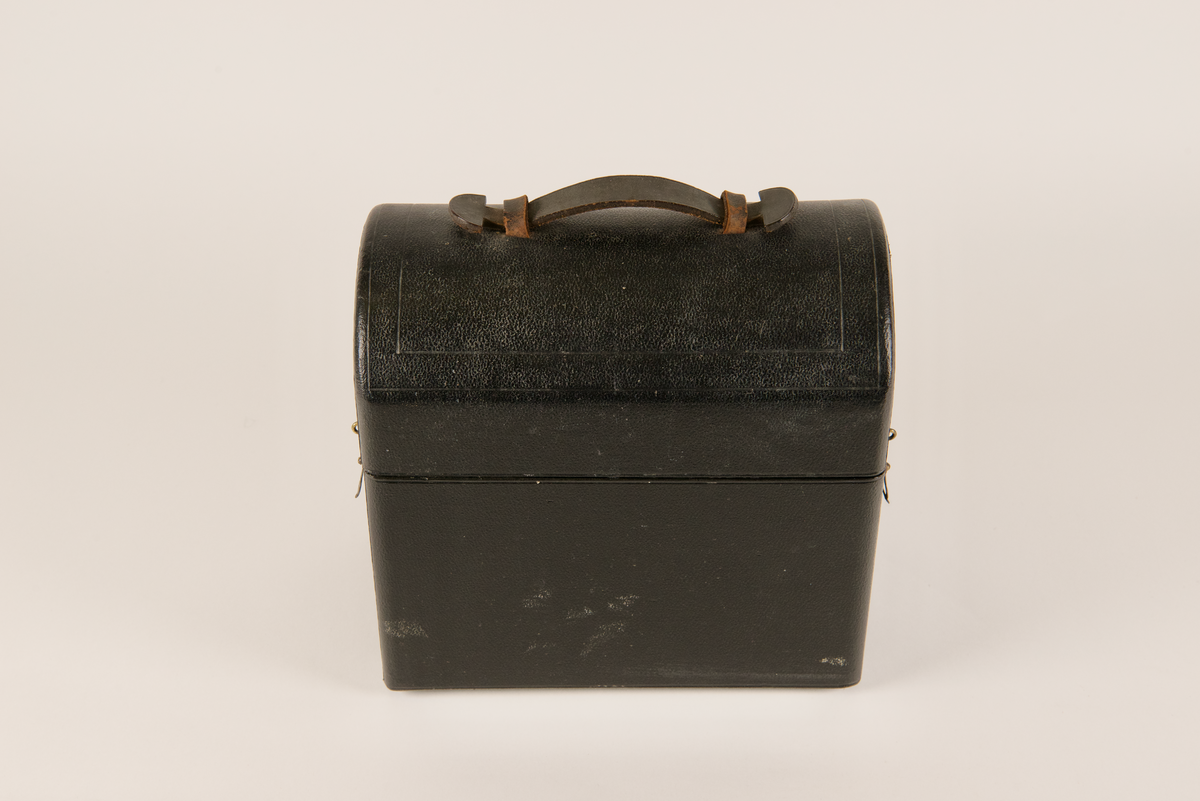
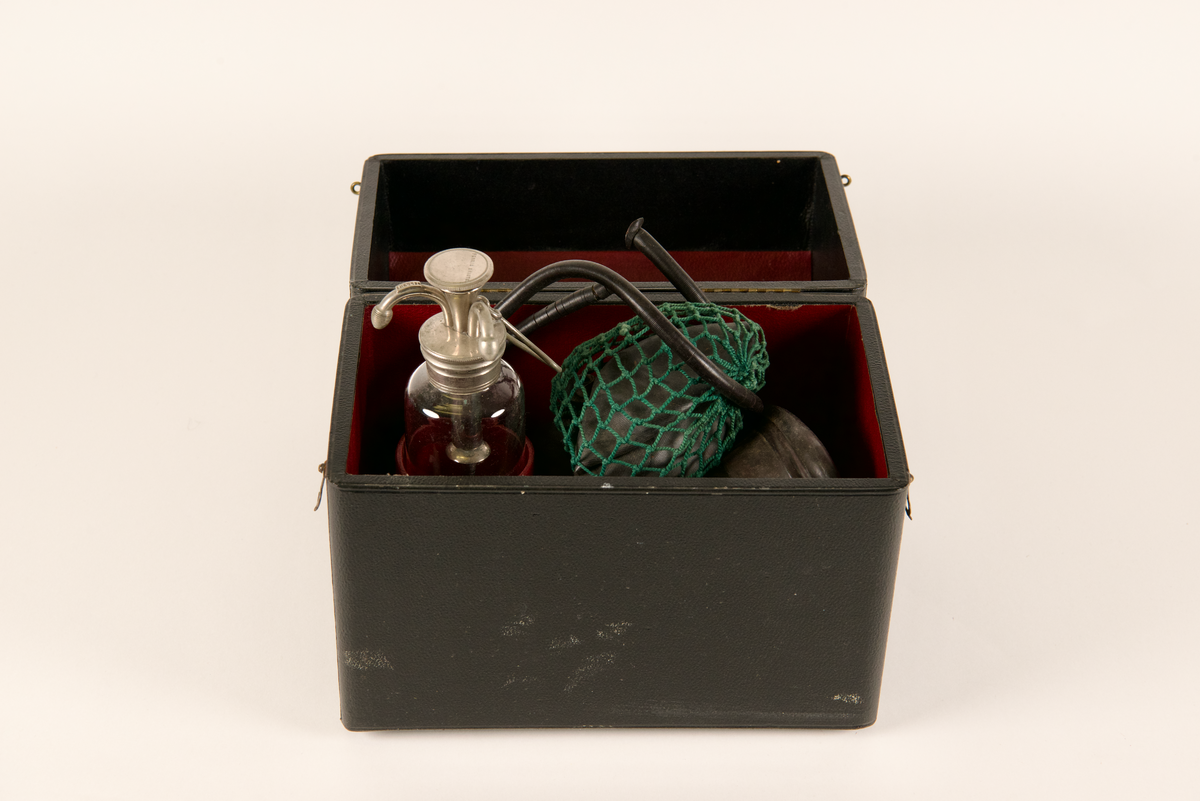
Various items in a hinge-lidded leather box. Kit itself comprises of a plastic and rubber mouthpiece and a rubber pump in two parts, with a netted rope binding. There is also a glass jar with a metal insert, and a hardened rubber tube broken into three parts. The chloroform itself is in a small glass vial, coated in paper and labelled.
References
Events
Description
Chloroform is a powerful anaesthetic: used to induce a pain-free coma in patients, it transformed surgery in the 19th century. This inhaler kit was probably owned and used by a Cambridgeshire GP in the early 20th century. An unopened bottle of chloroform accompanies it, wrapped in brown paper.
This method for administering chloroform was originally invented by the Austrian surgeon Ferdinand Junker in the 1860s. Rubber tubes connect the glass flask to a handpump and the mask. Squeezing the handpump causes air to bubble through the chloroform in the glass flask; the patient inhales the vapour through the mask. This means that the dose of choloroform – which can be dangerous – can be well controlled.
12/10/2026
Created by: Hannah Price on 12/10/2026
FM:47780
Images (Click to view full size):